




News
Operation Tips for Concrete Pump Trucks
Jun. 12, 2026
1. General Operation Rules
2. Vehicle Positioning Requirements
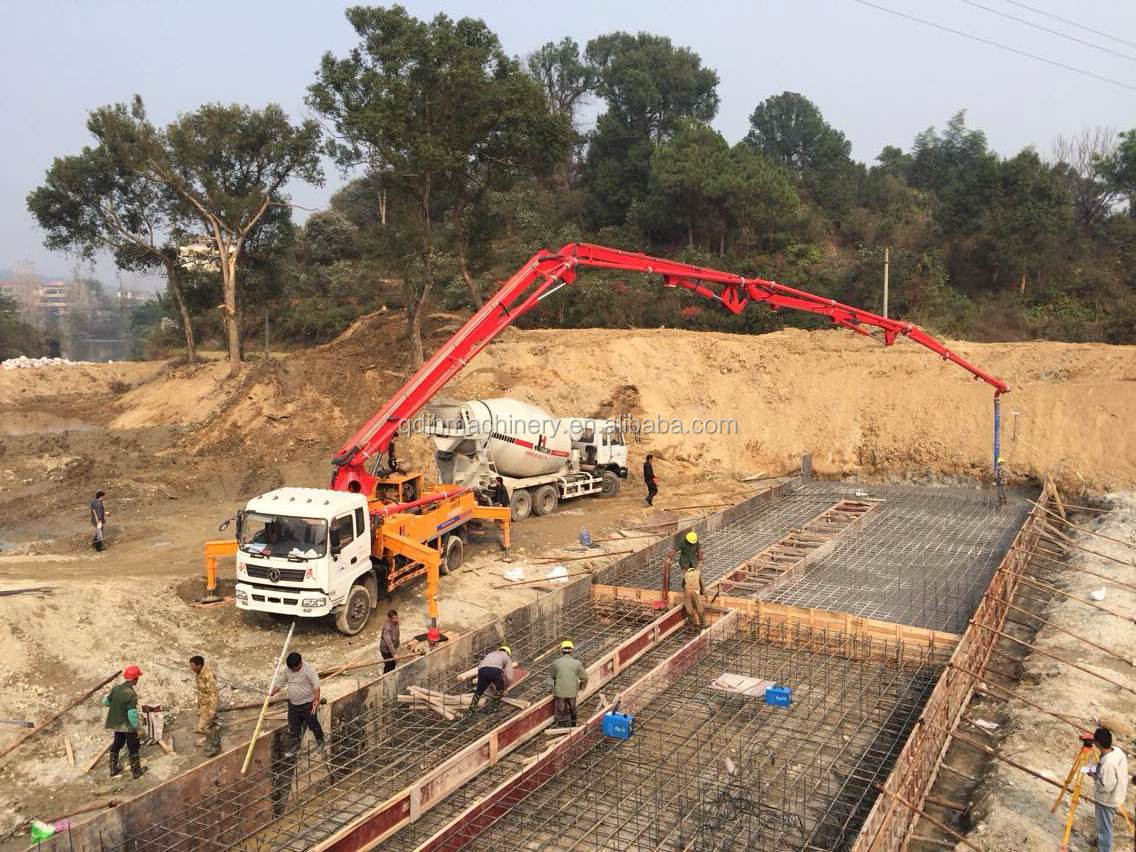
Park the truck on flat, solid ground with no surrounding obstacles or overhead high-voltage power lines. Extend the outriggers to keep the body stable. When using the placing boom, the body tilt angle shall not exceed 3°, and the parking lights must be turned on to avoid collisions.
It is strictly forbidden to park the pump truck on slopes.
3. Pre-operation Inspection
Ensure sufficient fuel, lubricating oil, hydraulic oil and cooling water. Check that tire pressure meets standards, and all lights and signal lamps work properly.
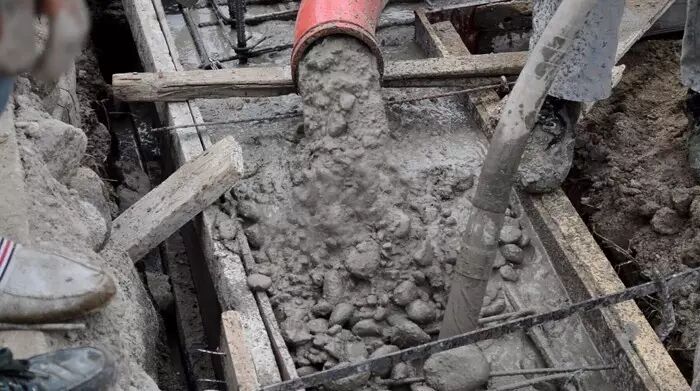
Verify normal operation of the hydraulic system with no pipeline leakage. Make sure the cleaning water pump and auxiliary equipment are in good condition.
Remove all debris from the mixing hopper, and keep the protective grid intact and fully closed.
Check that delivery pipelines are firmly connected and well sealed.
4. Placing Boom Operation
Select pipes and hoses as specified in the manufacturer’s manual. Do not use pipes with excessive diameter. Fit safety lanyards on all connected hoses to prevent detachment.
Extend the placing boom following the specified sequence. Rotate the boom only after it is lifted off the support frame. Never use the placing boom to lift or drag heavy objects.
Do not move the vehicle when the boom is fully extended. If relocation is necessary, fold and fix the upper boom first, and keep the driving speed below 10 km/h.
Do not drag the front hose of the boom on the ground. Unauthorized extension of placing pipes and booms is prohibited.
Stop concrete delivery via the placing boom when wind force reaches Grade 6 or above.
5. Laying of Pumping Pipelines
Lay horizontal pumping pipelines in a straight line whenever possible.
Vertical pipelines shall not be directly connected to the pump outlet. Install a horizontal pipe of no less than 20 meters at the front end of the vertical pipe, and fit a check valve near the pump.
For downward inclined pipelines, add a horizontal pipe at the outlet, with its length no less than 5 times the vertical drop of the inclined pipe. Install an air vent valve at the upper end if the inclination angle is large.
Secure all pipelines firmly. Place wooden pads between pipelines and fixtures for buffering; do not attach pipelines directly to steel bars or formworks. Ensure tight connection and sealing of pipe joints and clamps to prevent mortar leakage. Worn pipes shall not be installed in the high-pressure area at the rear section.
Conduct a pressure resistance test after pipeline installation.
6. Pumping Operation
Before pumping: If the hydraulic oil temperature is lower than 15℃, run the unit idle for a longer period to raise the oil temperature.
During operation: Monitor the running status of the pump and mixing device, as well as all gauges and indicator lights. Stop the machine immediately in case of abnormalities. Keep the concrete level in the hopper above the center line of the mixing shaft.
Maintain continuous pumping as far as possible. If material supply is interrupted, the downtime shall not exceed 30 minutes. During shutdown: perform 2 to 3 forward and reverse pumping cycles every 5–10 minutes in normal weather, and every 3–5 minutes in winter. Stir the concrete thoroughly before resuming pumping. Empty the pipelines if downtime exceeds the limit.
Do not remove the protective grid on the hopper during operation. Clear impurities and unqualified aggregates in a timely manner.
Stop pumping immediately when the pressure gauge hits the maximum value or abnormal noise occurs. Use reverse pumping to clear blockages first; disassemble and clean the pipelines if the method fails.
7. Post-operation Work
Discharge all concrete from pipelines and hoppers, then clean the equipment thoroughly. When cleaning pipelines with compressed air, no personnel are allowed within 10 meters of the pipe outlet.
Do not clean the placing boom pipes with compressed air. Retract and fold the placing boom in compliance with the specified sequence.
Reset all control switches, handles, handwheels, levers and cocks. Unload the hydraulic system, retract the outriggers, park the truck in a safe area and close all doors and windows. Drain all residual water completely in winter.