



News
Guide to Selecting Concrete Pump Truck Models
Jun. 15, 2026
- Building Type and Structural Working ConditionsConcrete pump trucks of different models come with distinct performance parameters. Besides calculating the total concrete pouring volume, you shall also take into account the building type, main structure, construction technical standards, site conditions and surrounding environment.The core performance parameters of the selected pump truck shall match the construction requirements or retain a small margin. Excessive equipment performance will lead to low utilization rate; insufficient performance will not only fail to meet pouring operations, but also accelerate the wear and tear of the whole vehicle.
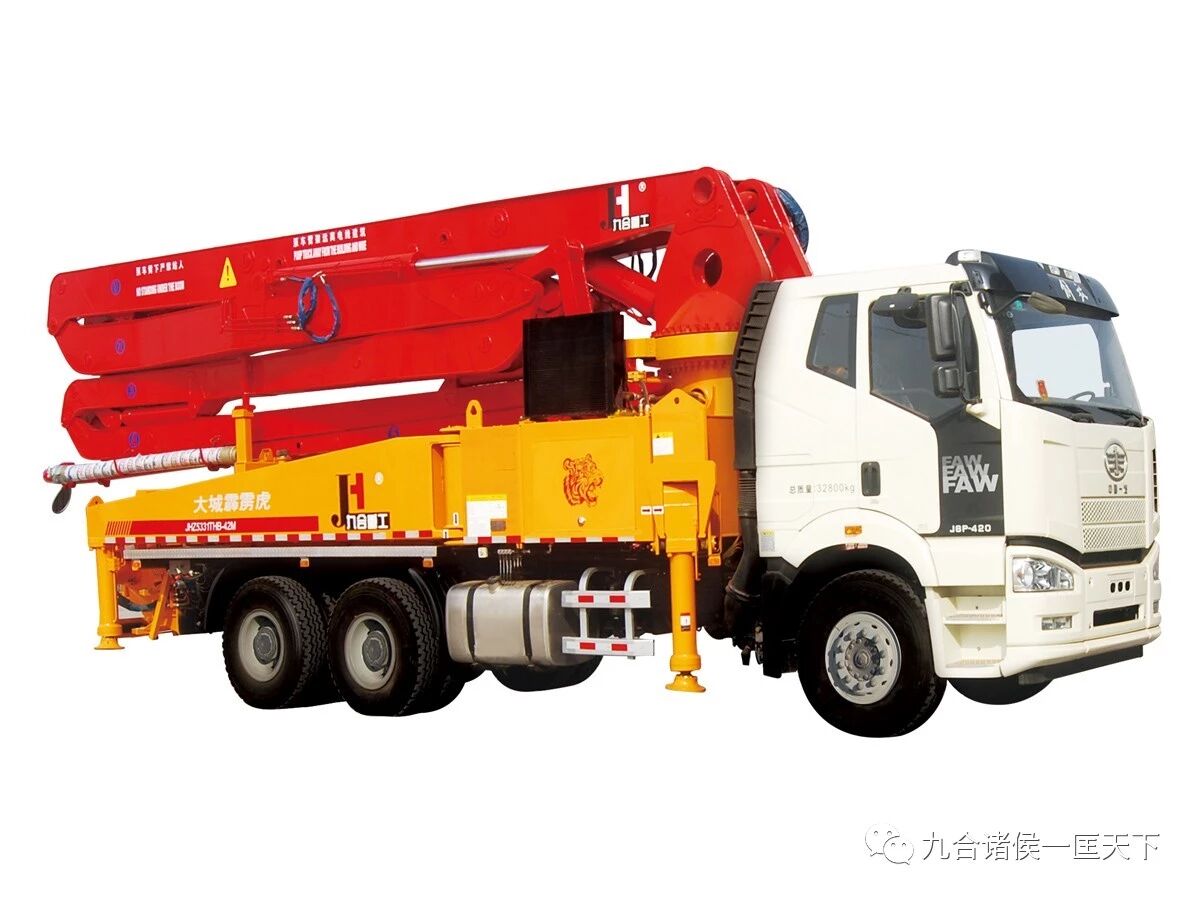
- Construction AdaptabilityConcrete pump trucks feature outstanding mobility. The higher the boom height, the greater the vertical pouring height and distributing radius, which delivers stronger adaptability to on-site construction. Therefore, long-boom pump trucks shall be prioritized if site conditions permit.
- Construction Volume ScaleThe required number of pump trucks can be calculated according to the total concrete pouring volume, actual delivery efficiency of a single unit and daily working hours. For pumping projects with a huge one-time pouring volume, a certain number of standby pump trucks are recommended in addition to the theoretically calculated quantity.Industry reference standard: A commercial concrete mixing plant with an annual output of 100,000 to 150,000 cubic meters shall be equipped with 2 to 3 concrete pump trucks.
- Complete Vehicle Configuration StandardHigh-specification and high-end models shall be prioritized during model selection. If high-priced premium pump trucks are purchased, the factory standards of all vehicle components shall be upgraded accordingly. The internal quality and surface workmanship of core components shall match the vehicle positioning and procurement cost.
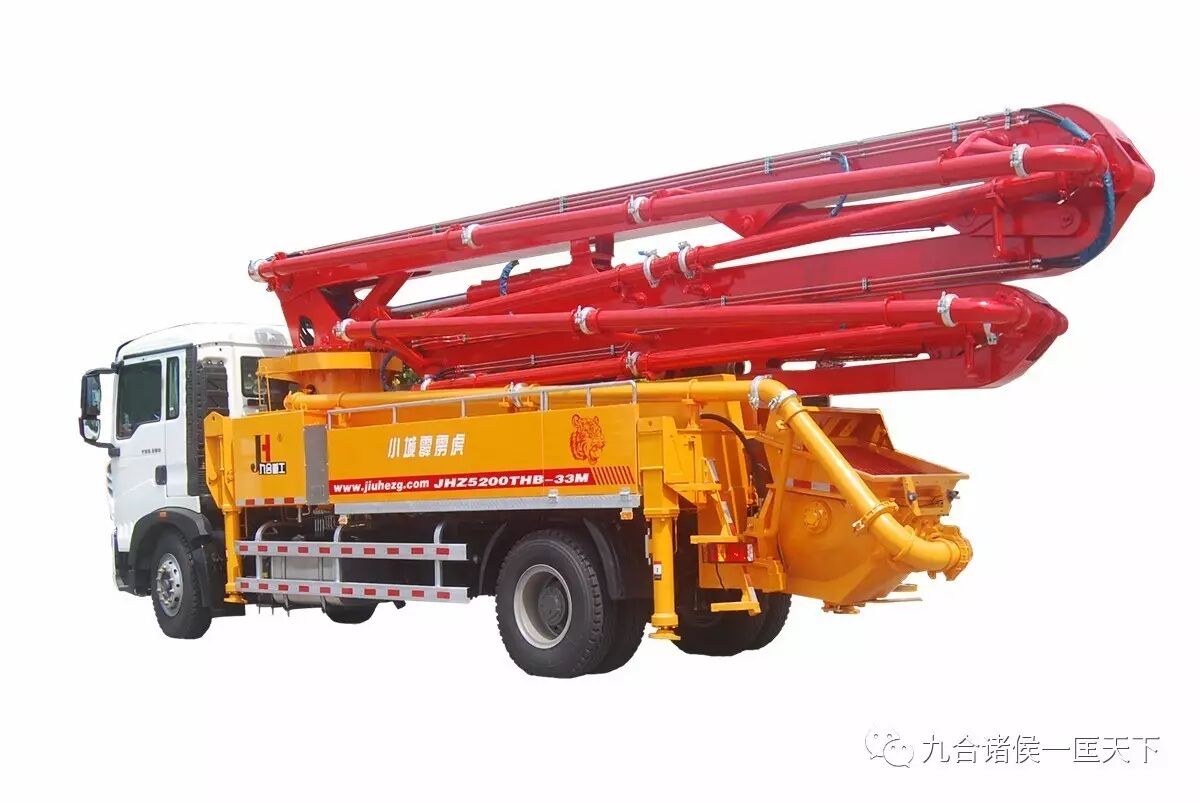
- Power System ConfigurationConcrete pump trucks adopt full hydraulic drive systems. When selecting equipment, you shall focus on checking the technical advancement of the hydraulic system and the quality of hydraulic components. The power of the equipment is supplied by the chassis engine, so you also need to assess the performance and durability of the engine, as well as the bearing capacity and overall quality reliability of the truck chassis.
- Operation Control SystemThree control modes are equipped on pump trucks: manual control, wired remote control and wireless remote control.Wired remote control delivers convenient and flexible operation; wireless remote control enables long-distance concrete distribution. In case of electric circuit failure, operators can switch to manual mode to guarantee continuous construction.
- After-sales Support from ManufacturersConcrete pump trucks are special engineering vehicles with strict requirements on safety performance and mechanical stability. You must verify the manufacturer’s after-sales service response capacity and spare parts supply system before purchase.Incomplete after-sales supporting services will result in construction delay caused by equipment breakdown, and may even trigger safety accidents and huge economic losses.