






News
Pump Truck Winter Maintenance Guide
May. 20, 2026
Chassis Inspection
Check the engine oil level and oil condition.
Battery inspection (check if the voltage is normal).
Check the engine coolant level and coolant temperature (replace the antifreeze in a timely manner to prevent the water tank from freezing and cracking).
Tire inspection (check tire pressure and wear; road conditions are slippery in winter, so this is very important).
Brake system inspection (check if the brake pads are excessively worn and if the air pressure is normal).
Chassis preheating: The chassis must be preheated at low speed to warm up the engine before normal driving. Preheating and warming up will make the lubricating oil of the engine and gearbox flow smoothly; otherwise, the engine and gearbox may be damaged due to lubrication failure.
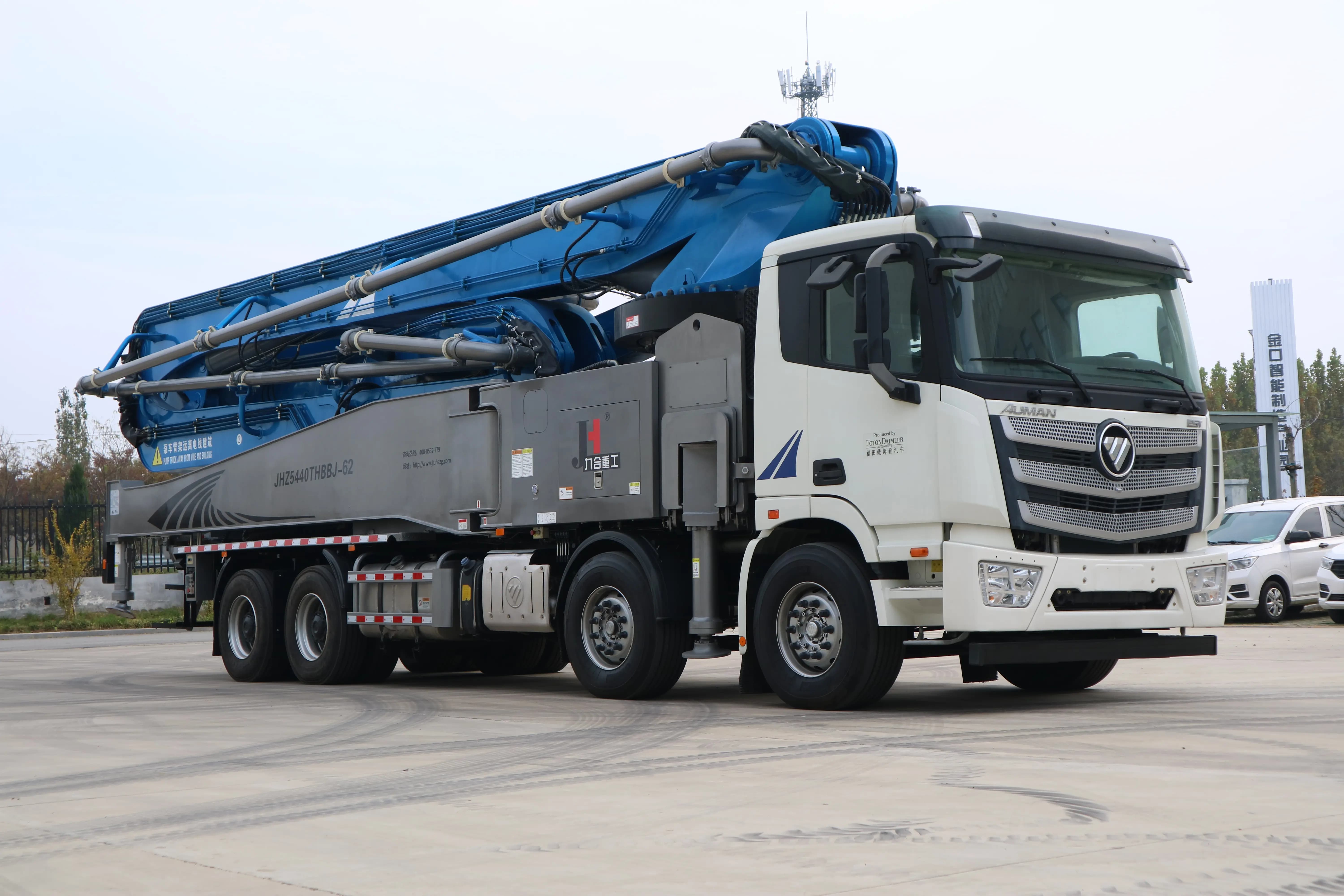
Hydraulic System Inspection
Hydraulic system preheating: After engaging the power take-off, run at idle speed for 30 minutes. After the temperature rises, perform outrigger and pumping operations.
Large temperature differences can easily cause water vapor in the air to reach the dew point temperature, resulting in water vapor condensation and dissolution in the hydraulic oil. Before restarting pumping, drain all the water settled at the bottom of the oil tank.
Pumping System Inspection
Slewing Mechanism Inspection
With the arrival of winter, please focus on checking the seal of the reducer. Otherwise, once water mixes into the gear oil, it will freeze and crack the reducer housing.
It is best to change the oil when the oil temperature has not yet cooled, because it is more conducive to draining all the oil in the tank at this time.
Change the oil every 2000 to 2500 hours of operation thereafter, or at least once a year.
Do not use mixed oil.