






News
Concrete Pump Truck Safety Rules & Common Fault Diagnosis Guide
Jul. 01, 2026
1. Introduction: Concrete Pump Truck Operation Safety and Reliability
Concrete pump trucks play a critical role in modern construction projects, enabling efficient and continuous concrete delivery. However, improper operation or lack of maintenance can lead to serious safety risks and equipment failures.
This guide summarizes key safety operating rules and common fault diagnosis methods, helping operators improve efficiency, reduce downtime, and ensure safe construction site operations.
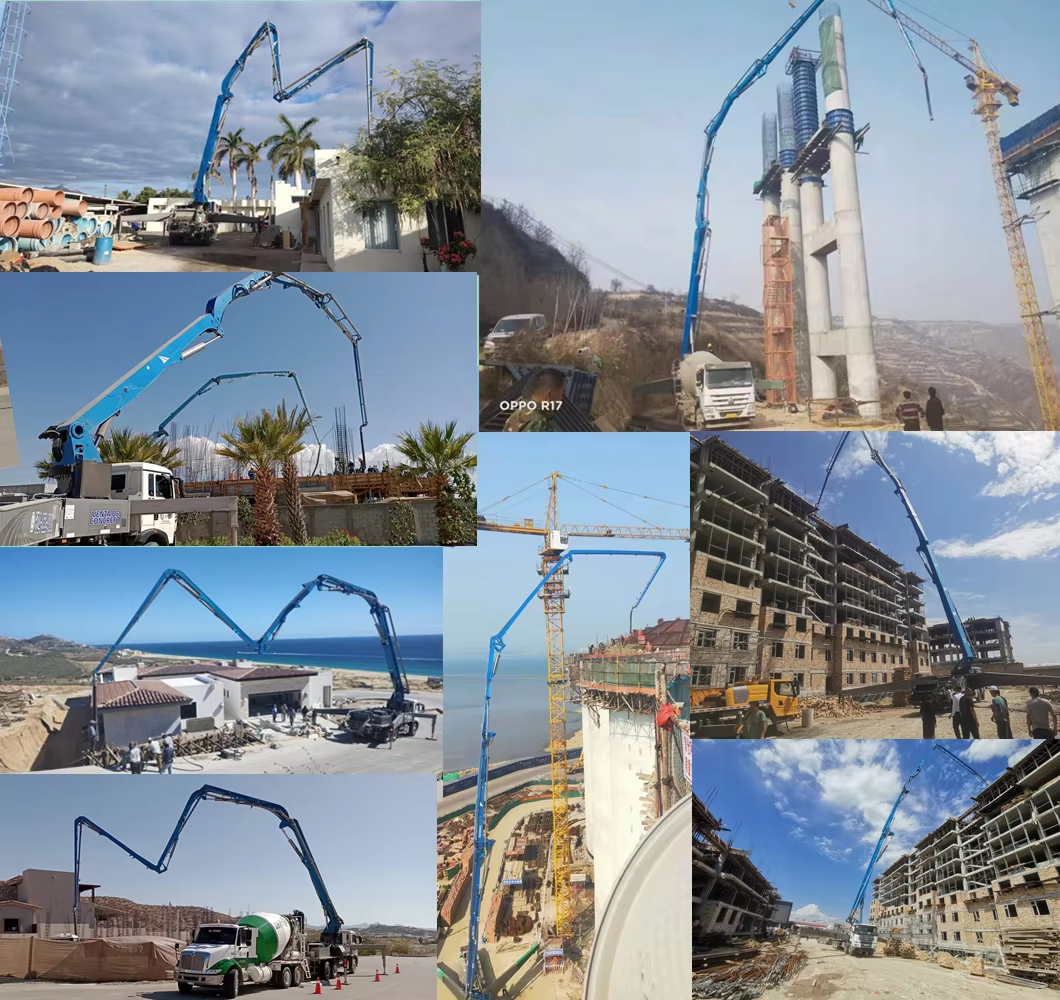
2. Safety Operating Rules for Concrete Pump Trucks
2.1 Proper Equipment Setup
The concrete pump truck must be placed on flat and solid ground. Ensure:
No obstacles around the working area
Outriggers fully extended and stabilized
Vehicle remains level after adjustment
Wheels are securely chocked
Safe distance maintained from excavation edges
2.2 Pipeline Installation Requirements (Pump Truck Pipeline Safety)
Correct pipeline installation is essential for safe and stable pumping:
Horizontal pipelines should be laid in straight alignment
Vertical pipelines must NOT be directly connected to the pump outlet
A horizontal section ≥ 20m must be installed first
Downward pipelines require a buffer horizontal section (≥ 5× height difference)
Steep slopes must include air release valves at the top
All pipelines must be properly supported with cushioning materials
Avoid direct contact with steel reinforcement or formwork
All joints must be tightly sealed to prevent slurry leakage
Worn pipes must not be used in high-pressure zones
Pressure testing is required after installation
2.3 Pre-Operation Inspection Checklist
Before starting the pump truck, ensure:
Bolts are fully tightened
Safety guards are intact
Hydraulic system has no leakage
Hopper is clean and free of debris
Protective grid is secure
Cooling water system is functional
Lubrication points are properly maintained
Control levers and switches are in correct positions
2.4 Pumping Operation Safety Rules
During operation:
Keep concrete level above the mixing shaft axis
Do not fully cover hopper grid
Remove oversized aggregates immediately
Ensure continuous pumping whenever possible
Avoid direct contact with moving components
Do not adjust hydraulic pressure arbitrarily
Stop operation if oil temperature exceeds 70°C
2.5 Pipeline Maintenance and Environmental Protection
Use high-quality pipes near the pump outlet
Cover pipelines in hot weather with wet materials for cooling
Apply insulation in cold weather conditions
Regularly inspect joints, seals, and elbows
3. Common Faults and Troubleshooting for Concrete Pump Trucks
3.1 Pipeline Blockage (Pipe Clogging Failure)
Pipeline blockage is one of the most common concrete pump truck failures.
Diagnosis Steps:
Inspect the third section of the pipeline
If no foreign material is found, reinstall and retest
If failure persists, release pressure and inspect reducer pipe
Check S-valve for blockage
Inspect piston head condition and wear
Test forward pumping at boom bend section
If pumping works partially, blockage is likely in downstream pipeline
If no abnormality is found, check system pressure and confirm internal pipe blockage
Conclusion:
Most blockages are caused by foreign materials, improper mix design, or pipeline contamination.
3.2 Continuous Horn Sound Issue
Possible Causes:
Faulty relay components
Electrical control voltage instability
Excessive current in horn circuit
Solution:
Inspect relay system and control circuit voltage to ensure stable electrical operation.
3.3 Bypass Valve Vibration (Hydraulic Instability)
Symptoms:
Abnormal vibration in bypass valve
Boom hydraulic line shaking
Possible Causes:
Hydraulic oil filter blockage
Damaged or loose hydraulic hoses
Faulty bypass valve
Multi-way directional valve malfunction
Solution:
Conduct full hydraulic system inspection and replace faulty components as needed.
4. Best Practices for Concrete Pump Truck Maintenance
To improve equipment lifespan and reduce downtime:
Perform regular pipeline pressure testing
Maintain clean hydraulic oil and cooling systems
Replace worn seals and clamps promptly
Avoid continuous overload operation
Ensure proper concrete mix design for pumpability
5. Conclusion
Safe and efficient operation of concrete pump trucks depends on:
Proper setup
Strict operational discipline
Regular maintenance
Quick fault diagnosis
By following these safety rules and troubleshooting methods, operators can significantly reduce equipment failure rates and improve construction efficiency.