






News
Safe Operation Guidelines for Concrete Pump Truck Delivery Hoses
Jul. 08, 2026
Safe Operation Guidelines for Concrete Pump Truck Delivery Hoses
During concrete pump truck operations, the delivery hose plays an important role in controlling concrete placement and ensuring efficient construction. However, improper hose handling can lead to pipeline blockages, sudden concrete discharge, or even serious safety accidents.
Following correct hose operation procedures and safety guidelines is essential for improving pumping efficiency and protecting construction workers.
Preparation Before Concrete Pumping
Before starting concrete pumping, the pipeline system should be properly inspected and prepared.
First, clean water should be pumped through the pipeline to check whether all pipe clamps and joints are properly sealed. Operators must ensure that there is no water leakage and that all connections are secure.
After confirming the pipeline condition, a pipeline lubrication material should be pumped through the system. In most cases, mortar is used as the lubricant, although cement slurry can also be applied.
When the mortar pumping process is almost complete, qualified concrete material can be introduced into the pipeline to begin normal pumping operation.
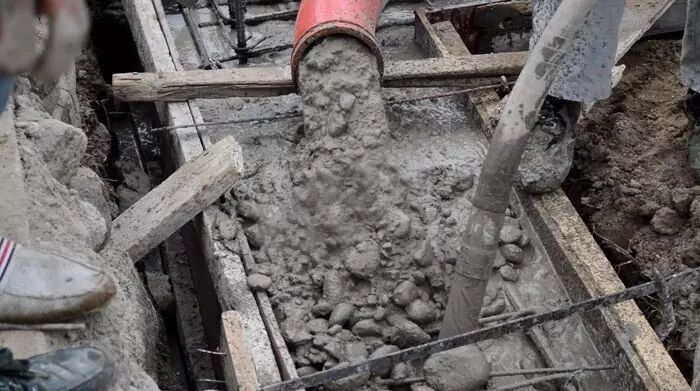
How to Handle Concrete Pump Pipeline Blockages
During concrete pumping, pipeline blockage may occasionally occur due to improper concrete consistency, insufficient lubrication, or other operating conditions.
If a blockage happens, operators should follow safe procedures:
Stop the pumping operation immediately.
Remove the front section of the delivery pipe.
Remove the hardened or dehydrated concrete blockage inside the pipe.
Reconnect the pipeline securely before restarting pumping.
Never attempt to forcefully continue pumping when a blockage occurs, as excessive pressure may cause pipeline failure or sudden concrete discharge.
Three Important Safety Rules for Concrete Pump Truck Hose Operation
1. Ensure the Delivery Hose Is Secure and Never Bent
During concrete pumping, the delivery pipeline and flexible hose must always remain:
Properly installed and firmly fixed
Completely sealed without leakage
Free from sharp bending or twisting
A bent delivery hose can create excessive internal pressure, increasing the risk of hose rupture or sudden concrete spraying.
When a blocked pipeline has been cleared and pumping resumes, the hose may suddenly swing violently or discharge concrete unexpectedly due to pressure release.
For this reason, operators and other workers should keep a safe distance from the end hose during restarting operations.
2. Keep the Hose Away from Building Edges
When operating a concrete pump truck on construction sites, avoid positioning the end hose near building corners, openings, or elevated edges.
If the hose suddenly swings or concrete is discharged unexpectedly, nearby operators may lose balance and face the risk of falling from height.
Maintaining sufficient distance from dangerous areas helps improve jobsite safety.
3. Communicate Before Starting or Restarting Pumping
During initial pumping, intermittent pumping, or restarting after a pause, communication between the pump operator and the end hose operator is essential.
Before concrete flow begins, the pump operator should confirm that the hose operator is ready.
The following precautions must be followed:
The bending radius of the end hose should not be less than 1 meter
Operators must never stand directly in front of the hose outlet
Workers should avoid holding the hose in an unsafe position during sudden concrete discharge
Unexpected concrete release from the hose outlet can generate strong impact forces and may cause serious injuries.
Best Practices for Concrete Pump Truck Hose Safety
Proper hose operation is a key part of safe and efficient concrete pumping. Operators should always:
Inspect pipelines and hose connections before operation
Confirm all clamps are properly locked
Avoid sharp hose bending
Maintain safe working distances
Communicate clearly with the pump truck operator
Never stand in front of the concrete outlet
By following these procedures, construction teams can reduce the risk of pipeline accidents, improve pumping efficiency, and ensure safer concrete placement operations.
Conclusion
The flexible delivery hose of a concrete pump truck requires careful handling throughout the entire pumping process. From pipeline preparation and lubrication to blockage treatment and end hose operation, every step affects both construction efficiency and worker safety.
Following professional concrete pump hose operation procedures helps prevent accidents, extends equipment service life, and ensures smooth concrete delivery on construction sites.