





News
Common Concrete Pump Truck Problems and Troubleshooting Guide
Jul. 20, 2026
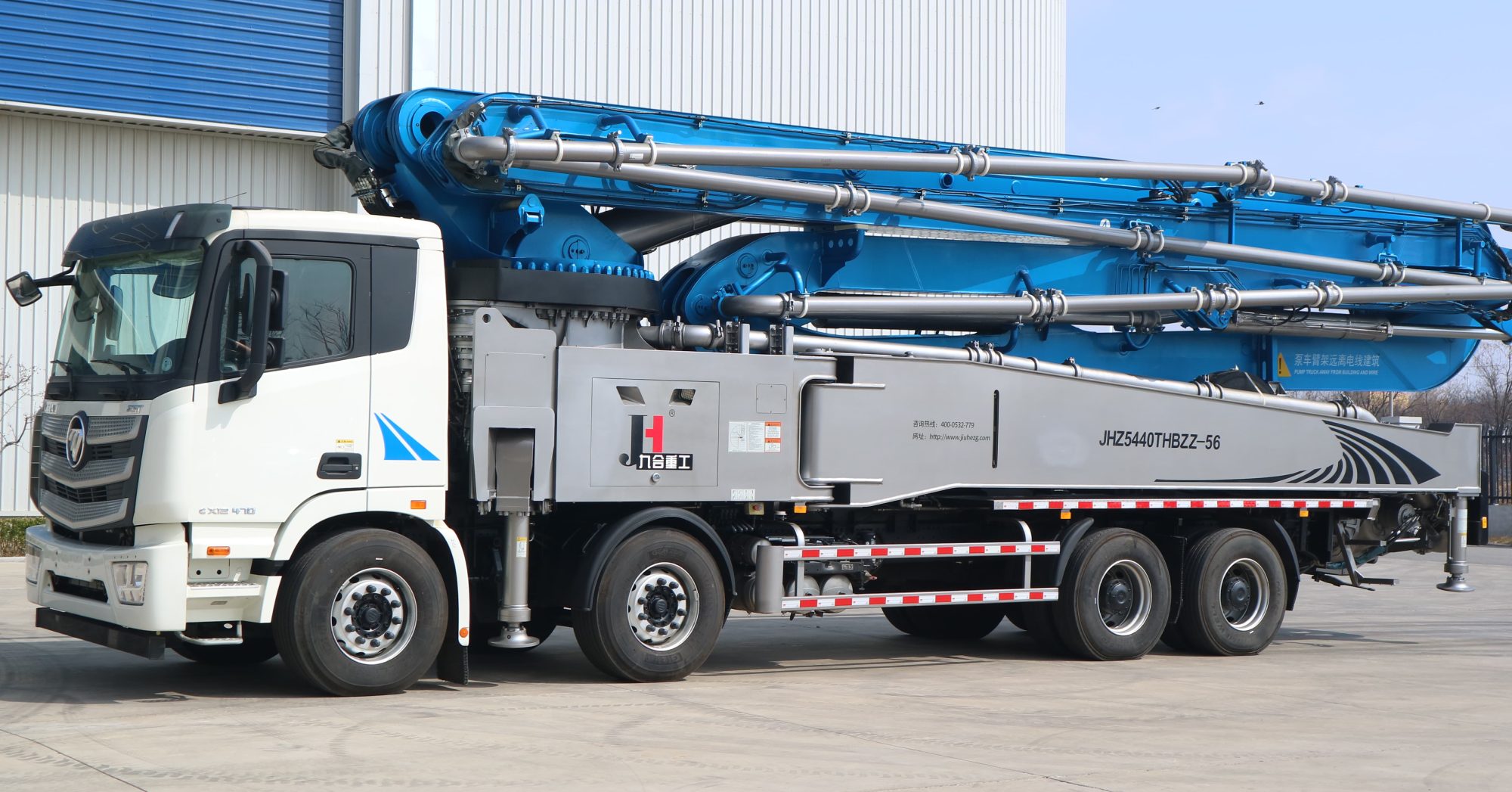
A concrete pump truck is a specialized concrete transportation machine widely used in construction projects. It combines a concrete pump system with a truck chassis, offering excellent mobility, high pouring efficiency, faster construction speed, and reduced labor costs.
Because of its complex structure, hydraulic system, and high-pressure working conditions, concrete pump trucks may experience various failures during operation. Proper troubleshooting and maintenance are essential to ensure reliable performance and extend the service life of the equipment.
Hydraulic Oil Overheating in Concrete Pump Trucks
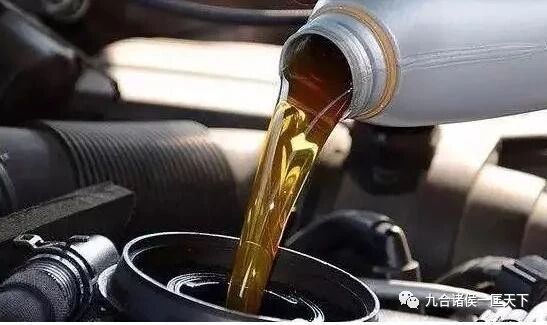
Hydraulic oil overheating is one of the most common problems in the pumping system of a concrete pump truck. Excessive oil temperature can reduce system efficiency, accelerate component wear, and even cause hydraulic system failure.
The normal working temperature of hydraulic oil is generally around 30°C–80°C. If the oil temperature rises too quickly or exceeds the normal range, operators should check the system immediately and identify the cause.
Main Causes of Hydraulic Oil Overheating
1. Excessive Internal Hydraulic Leakage
When hydraulic components such as pumps, valves, or cylinders have serious internal leakage, energy loss increases and generates excessive heat.
Solution:
Check hydraulic components for wear
Repair or replace damaged parts
Test hydraulic system pressure
2. Relief Valve Problems
The relief valve may fail to unload properly or may be set at an excessively high pressure, causing continuous pressure loss and heat generation.
Solution:
Check relief valve settings
Adjust pressure according to manufacturer specifications
Replace damaged valves if necessary
3. Poor Hydraulic Cooler Heat Dissipation
Dust, dirt, or debris accumulated on the cooler fins can reduce cooling efficiency.
Solution:
Clean the cooler surface regularly
Ensure good airflow around the cooling system
4. Cooling Fan Failure
If the hydraulic oil cooler fan stops working, heat cannot be effectively removed, resulting in rapid temperature increase.
Solution:
Check fan motor operation
Repair electrical connections
Replace damaged fan components
5. Hydraulic Cooler Blockage
A blocked cooler prevents hydraulic oil circulation and reduces heat exchange efficiency.
Solution:
Inspect and clean the cooler
Replace the cooler if severely damaged
6. Low-Pressure Relief Valve Failure
Incorrect pressure adjustment or damage to the low-pressure relief valve can cause abnormal hydraulic system operation.
Solution:
Check valve pressure settings
Repair or replace the valve
7. Boom Hydraulic System Not Unloading
If the boom hydraulic system remains under pressure when not operating, unnecessary heat will be generated.
Solution:
Check hydraulic control valves
Confirm the system can unload normally
8. Insufficient Hydraulic Oil Level
Low hydraulic oil volume reduces cooling performance and increases oil temperature.
Solution:
Check hydraulic oil level regularly
Add or replace hydraulic oil according to equipment requirements
Hydraulic Oil Overheating Troubleshooting Tips
When a concrete pump truck experiences high hydraulic oil temperature, operators should:
✔ Check hydraulic oil level
✔ Inspect hydraulic leaks
✔ Clean the hydraulic cooler
✔ Check cooling fan operation
✔ Test hydraulic pressure settings
✔ Inspect valves and pumps
Regular maintenance and correct operation can effectively prevent hydraulic system overheating and reduce unexpected downtime.
Conclusion
Hydraulic oil overheating is a common failure in concrete pump truck pumping systems. The main causes include hydraulic leakage, valve problems, poor cooling performance, and insufficient oil supply.
Through regular inspection, timely maintenance, and proper troubleshooting, operators can improve the reliability of concrete pump trucks, reduce repair costs, and ensure efficient concrete pumping operations.