





News
Why Does a Concrete Pump Truck Hydraulic System Overheat? Causes and Effective Solutions
Aug. 05, 2026
Why Does a Concrete Pump Truck Hydraulic System Overheat? Causes and Effective Solutions
Introduction
A concrete pump truck relies on a hydraulic system to drive the pumping mechanism and deliver concrete through pipelines under high pressure. Since concrete pump trucks usually operate with high-pressure and high-flow hydraulic systems, heat generation is a common issue during long-term operation.
In practical applications, many concrete pump trucks experience hydraulic oil temperatures reaching around 60°C after approximately 40 minutes of operation, and the thermal equilibrium temperature may exceed 70°C after several hours of continuous work. However, the normal operating temperature of a concrete pump hydraulic system should generally remain around 50°C.
Excessive hydraulic system temperature not only affects pumping performance but also accelerates component wear and reduces equipment service life. Therefore, understanding the causes of hydraulic overheating and applying effective solutions is essential for maintaining reliable concrete pump truck operation.
1. Common Problems Caused by Hydraulic System Overheating
When the hydraulic system temperature becomes too high, several negative effects may occur:
1. Reduced Hydraulic Oil Viscosity and Pump Efficiency
As hydraulic oil temperature increases, its viscosity decreases. This causes:
Increased internal leakage inside the hydraulic pump
Reduced actual pump flow rate
Lower pumping efficiency
Reduced concrete pumping performance
2. Damage to Hydraulic Seals
High temperatures can accelerate the aging of hydraulic seals, causing:
Loss of elasticity
Reduced sealing performance
Increased oil leakage
Shortened service life of hydraulic components
3. Hydraulic Valve Failure
Different materials used for valve spools and valve bodies may have different thermal expansion rates.
When the temperature rises excessively:
Valve clearance may decrease
Valve spool movement may become restricted
Hydraulic valves may become stuck
The concrete pump may stop working
4. Faster Wear of Hydraulic Components
High-temperature hydraulic oil has poorer lubrication performance, resulting in:
Increased friction between components
Faster wear of pumps, valves, cylinders, and motors
Shorter service life of hydraulic parts
Higher maintenance costs
Because of these problems, many concrete pump trucks must stop operation periodically to allow the hydraulic system to cool down, reducing construction efficiency and increasing downtime.
2. Main Causes of Concrete Pump Hydraulic System Overheating and Solutions
Hydraulic overheating problems can generally be divided into two categories:
Design-related causes
Hydraulic component failures or improper operation
Different causes require different solutions.
3. Design-Related Causes of Hydraulic Overheating
3.1 Incorrect Hydraulic Oil Selection
Cause
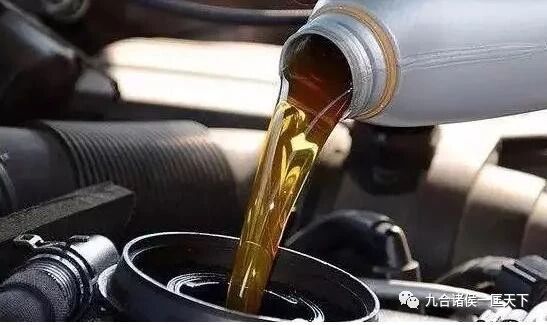
Choosing hydraulic oil with an unsuitable viscosity can cause overheating.
When the hydraulic system starts operating, the oil may perform normally. However, after continuous operation:
Oil temperature increases
Oil viscosity decreases
Internal leakage increases
More heat is generated
A cycle of rising temperature develops
Solution
Select hydraulic oil according to:
Hydraulic system pressure
Working environment temperature
Equipment operating conditions
Manufacturer recommendations
Using the correct oil viscosity ensures proper lubrication and reduces internal leakage.
3.2 Improper Hydraulic Oil Tank Design
Cause
The hydraulic oil tank performs several important functions:
Stores hydraulic oil
Dissipates heat
Separates impurities
Allows water and contaminants to settle
Poor tank design can reduce cooling efficiency.
Common problems include:
1. Oil tank capacity is too small
A small tank means:
Less hydraulic oil storage
Smaller heat dissipation area
Faster temperature increase
2. Poor oil circulation design
If the suction pipe and return pipe are too close:
Hot return oil may directly enter the pump suction line
Cooling time inside the tank is reduced
Heat dissipation performance decreases
Solution
Improve oil tank design by:
Increasing tank capacity
Increasing the distance between suction and return ports
Installing separation plates inside the tank
Improving oil circulation efficiency
3.3 Insufficient Cooling Capacity
Cause
Concrete pump trucks usually use:
Air-cooled hydraulic oil coolers
Water-cooled hydraulic oil coolers
Some machines install the cooler only on a small return circuit, such as the mixing system. Since the mixing system flow rate is relatively low, the cooling effect may be insufficient.
Solution
Improve cooling performance by:
Method 1: Install an independent cooling circuit
This allows continuous hydraulic oil cooling without affecting the main system.
Method 2: Install the cooler in the main return oil circuit
This increases cooling flow and improves heat dissipation.
Attention should be paid to:
Cooling fan speed
Cooler pressure resistance
Installation of safety valves or check valves when necessary
3.4 Incorrect Hydraulic Component Selection
Cause
Concrete pump hydraulic systems require large flow rates and high pressure.
If hydraulic components such as:
Directional control valves
Relief valves
Sequence valves
are selected with insufficient flow capacity, excessive oil velocity will occur.
This causes:
Large pressure loss
Energy conversion into heat
Increased hydraulic oil temperature
Solution
Select hydraulic components according to:
Maximum working pressure
Maximum flow rate
Pressure adjustment range
Actual operating requirements
Proper component sizing reduces pressure loss and prevents unnecessary heat generation.
3.5 Improper Hydraulic Pipeline Design
Cause
Incorrect pipeline design may cause excessive pressure loss.
Common problems include:
Pipe diameter too small
Oil flow speed too high
Excessive pipeline resistance
Sharp bends causing pressure loss
Solution
Optimize hydraulic pipelines:
Select proper pipe diameter
Avoid unnecessary bends
Arrange pipelines reasonably
Reduce flow resistance
Improve natural heat dissipation
4. Hydraulic Overheating Caused by Operation or Component Failure
4.1 Low Hydraulic Oil Level
Cause
When the hydraulic oil level is below the minimum level:
Oil tank heat dissipation decreases
Oil temperature rises quickly
Hydraulic components may suffer from insufficient lubrication
Solution
Regularly check the hydraulic oil level and keep it within the recommended range.
4.2 Poor Hydraulic Cooler Performance
Causes
A hydraulic cooler may lose efficiency due to:
Internal blockage
Dust and dirt accumulation
Poor ventilation
Incorrect safety valve pressure setting
Solutions
Regular maintenance should include:
Cleaning cooler surfaces
Checking airflow
Inspecting internal passages
Adjusting cooler protection valves correctly
A clean and efficient cooler is essential for controlling hydraulic oil temperature.
4.3 Incorrect Hydraulic System Pressure Adjustment
Cause
Improper pressure settings can increase heat generation.
For example:
Pressure too low:
Safety valves open frequently
Excessive overflow losses occur
Hydraulic oil temperature increases
Pressure too high:
Internal leakage increases
Hydraulic components operate under excessive load
More heat is generated
Solution
Adjust hydraulic system pressure according to manufacturer specifications.
Correct settings should be applied to:
Relief valves
Safety valves
Sequence valves
Heat exchange circuits
Proper pressure adjustment improves efficiency and reduces overheating.
4.4 Increased Internal Leakage of Hydraulic Components
Cause
Internal leakage may occur in:
Hydraulic pumps
Hydraulic cylinders
Hydraulic motors
Hydraulic valves
During leakage:
Hydraulic pressure decreases
Energy converts into heat
Oil temperature rises
Severe leakage may cause:
Reduced system pressure
Weak concrete pumping force
Lower pumping capacity
Slow mixing speed
Solution
Regularly inspect hydraulic components:
Check pump performance
Replace damaged seals
Repair worn parts
Replace severely damaged hydraulic components
Preventing internal leakage is one of the most effective ways to reduce hydraulic overheating.
5. Preventive Maintenance Tips to Avoid Hydraulic Overheating
To keep a concrete pump truck operating efficiently, operators should:
✅ Check hydraulic oil level before operation
✅ Use the correct hydraulic oil type and viscosity
✅ Clean hydraulic oil coolers regularly
✅ Monitor hydraulic oil temperature during operation
✅ Inspect hydraulic pipelines for leaks
✅ Maintain correct system pressure settings
✅ Replace damaged seals and worn hydraulic parts promptly
✅ Follow manufacturer maintenance requirements
Conclusion
Hydraulic system overheating is one of the most common problems affecting concrete pump truck performance. Excessive temperature can reduce pumping efficiency, damage hydraulic components, increase maintenance costs, and shorten equipment lifespan.
The main causes include improper hydraulic oil selection, poor cooling capacity, incorrect component selection, pipeline design issues, low oil levels, pressure adjustment errors, and internal leakage.
For manufacturers, improving hydraulic system design and cooling efficiency is the key to reducing heat generation. For operators, regular inspection, correct operation, and preventive maintenance are essential to ensuring stable performance.
By identifying overheating causes early and applying proper solutions, concrete pump truck users can improve equipment reliability, increase working efficiency, and extend hydraulic system service life.