



News
Analysis of Concrete Pump Truck Boom Cracking, Fracture Causes and Crack Propagation
Aug. 03, 2026
Analysis of Concrete Pump Truck Boom Cracking, Fracture Causes and Crack Propagation
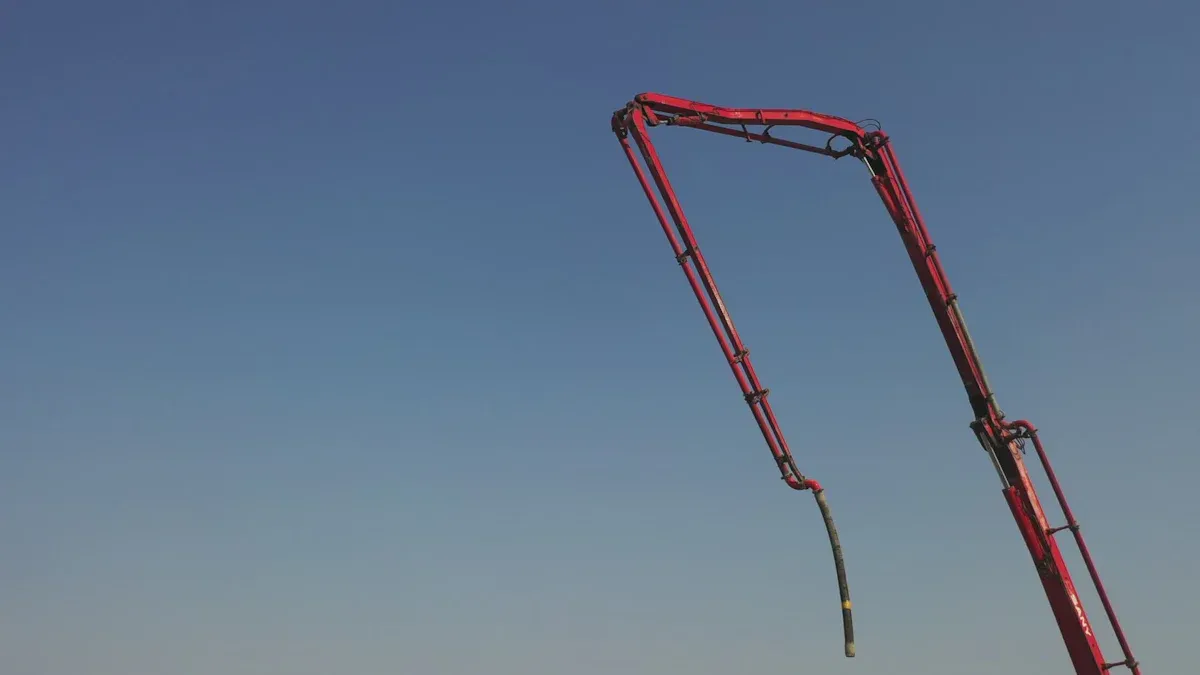
Concrete pump truck boom systems are subjected to complex working conditions, including repeated loads, vibration, impact forces, and outdoor environmental exposure. In many boom fracture cases, investigations show that most cracks are pre-existing fatigue cracks rather than sudden failures.
The typical failure process starts with the formation of micro-cracks. Under continuous cyclic loading during concrete pumping operations, these tiny cracks gradually expand and develop into visible cracks. As crack propagation continues, the remaining material strength decreases until the boom structure suddenly fractures.
Understanding the causes of boom cracking and taking effective preventive measures are essential for improving equipment safety, extending service life, and reducing unexpected downtime.
1. Poor Fusion Between Welding Seam and Base Material
One of the most common causes of concrete pump truck boom cracking is welding defects, especially incomplete fusion between the weld seam and the base steel.
Modern concrete pump truck booms are usually manufactured with high-strength steel plates, which require strict welding processes. If the welding parameters are incorrect or the welding quality is insufficient, defects such as incomplete penetration, poor fusion, or internal welding flaws may occur.
During operation, these weak areas become stress concentration points. Under repeated loading, micro-cracks can initiate from the defective welding area and gradually develop into larger cracks, eventually causing structural failure.
2. Fatigue Damage Caused by Repeated Dynamic Loads
When a concrete pump truck is working, the boom system extends and the hydraulic cylinders lock the outriggers and boom sections, creating a large cantilever beam structure.
During operation, the boom experiences multiple types of mechanical stress:
Continuous bending loads caused by the boom’s own weight and concrete pressure
Torsional loads, especially on folded boom sections
Impact loads generated by alternating operation of the pumping cylinders
High-frequency vibration caused by concrete pumping cycles
The hydraulic pumping system works through repeated piston movements, which creates periodic impact forces. These forces can amplify boom vibration and produce continuous alternating stress.
Over time, repeated stress cycles lead to metal fatigue. Even if the initial crack is extremely small, continuous operation can accelerate crack growth and eventually cause boom fracture.
3. Stress Concentration at Boom Root and Shaft Sleeve Areas
The boom root area is one of the most critical stress-bearing locations of a concrete pump truck.
The connection area around the shaft sleeve often experiences significant stress concentration due to:
Structural design characteristics
Load transfer from different boom sections
Repeated bending and torsional forces
Previous analyses of similar 37-meter concrete pump trucks have shown that the lower area of the boom root shaft sleeve is particularly vulnerable to stress concentration.
Under continuous alternating loads, these high-stress areas become ideal locations for crack initiation. Small cracks gradually expand until they weaken the overall structure.
4. Corrosion Damage Caused by Long-Term Outdoor Operation
Concrete pump trucks usually operate outdoors under harsh environmental conditions.
Long-term exposure to:
Rainwater
Humidity
Industrial pollutants
Corrosive gases such as hydrogen sulfide
can cause oxidation and corrosion of the boom structure.
Corrosion reduces the effective thickness and strength of steel components. When corrosion occurs together with fatigue stress, crack development becomes faster and structural safety risks increase.
Regular surface inspection, rust prevention treatment, and timely repair of damaged coatings are important measures to prevent corrosion-related failures.
5. Harsh Working Conditions and Insufficient Maintenance
Concrete construction equipment often operates under demanding conditions, including:
Long working hours
Heavy construction schedules
Dusty and humid environments
Frequent transportation between job sites
However, insufficient equipment maintenance remains a common problem in some regions.
Typical maintenance issues include:
Lack of regular inspection
Inadequate operator training
Failure to detect early cracks
Neglecting lubrication of critical components
For example, proper lubrication between boom pins and copper bushings is essential. Without sufficient lubrication, friction increases, accelerating wear and creating additional stress on structural components.
6. Lack of Preventive Inspection and Professional Maintenance
Because concrete pump trucks are highly integrated and complex machines, small cracks and fatigue damage cannot be completely avoided during long-term operation.
In many European countries, regular maintenance intervals, such as inspection and overhaul after approximately 500 working hours, are treated as a standard management practice.
However, preventive maintenance is sometimes insufficient in actual operation. Minor cracks may be ignored or not repaired in time, allowing them to expand gradually.
Once cracks grow beyond a safe limit, the boom structure may experience sudden failure, causing serious equipment damage or even safety accidents.
How to Prevent Concrete Pump Truck Boom Cracking
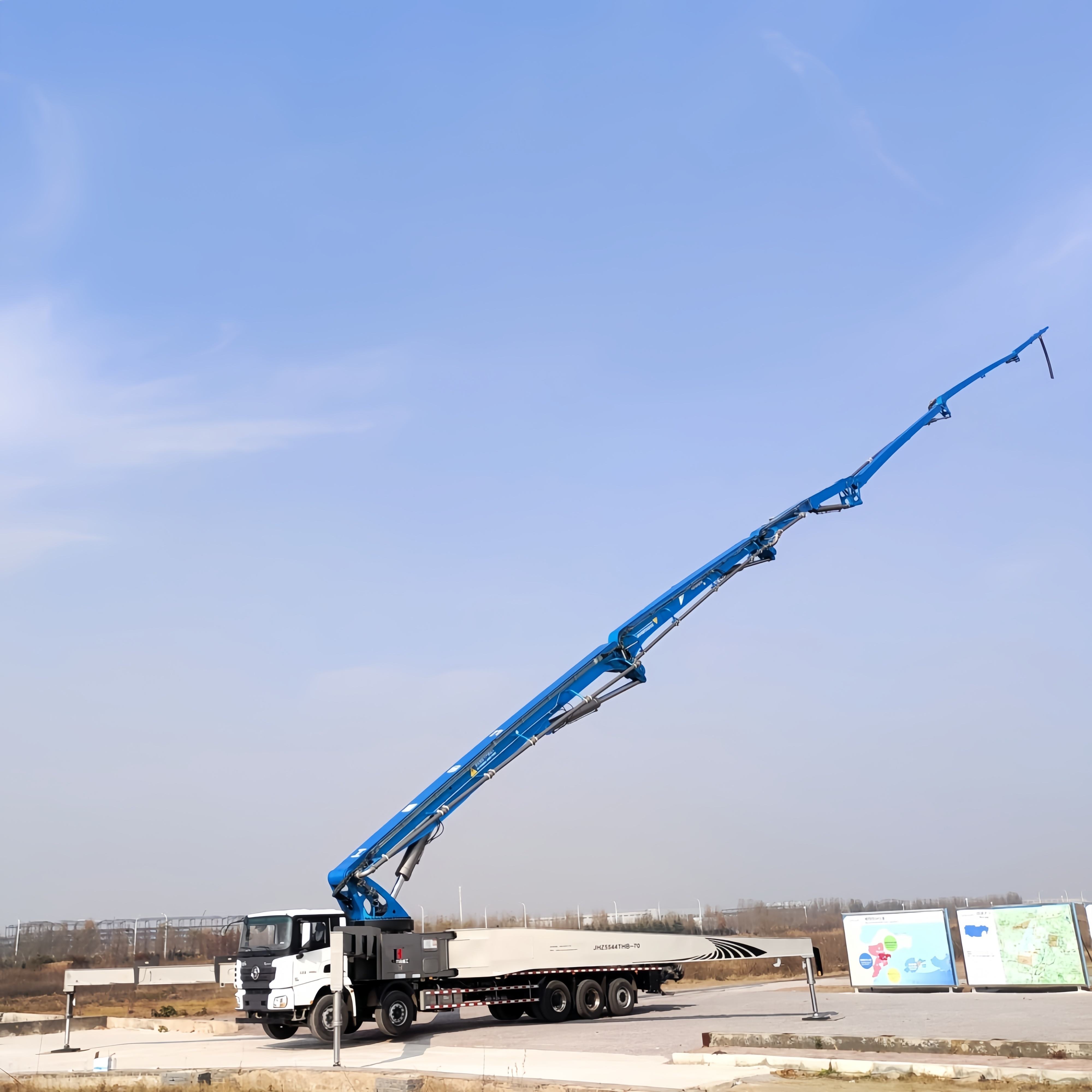
To reduce the risk of boom fracture, operators and owners should focus on the following preventive measures:
1. Perform Regular Boom Inspections
Check critical areas including:
Welding seams
Boom root connections
Shaft sleeves
Folding joints
High-stress areas
Early detection of cracks can prevent major failures.
2. Maintain Proper Lubrication
Regularly lubricate:
Boom pins
Copper bushings
Rotation joints
Hydraulic components
Proper lubrication reduces friction and mechanical stress.
3. Control Overloading and Improper Operation
Avoid:
Operating beyond rated working conditions
Sudden boom movements
Excessive vibration caused by improper pumping operations
Correct operation helps reduce fatigue damage.
4. Repair Cracks Immediately
Any detected crack should be evaluated professionally. Welding repairs or component replacement should follow manufacturer specifications.