






News
How to solve the problem of blockage?
Feb. 01, 2026
Concrete mixing and conveying pumps, as concrete conveying equipment designed for rural concrete pouring
construction, have been widely used in various fields. However, blockages can occur due to aggregate issues.
So, what are some methods for resolving blockages in concrete mixing and conveying pumps? Let's take a closer look.
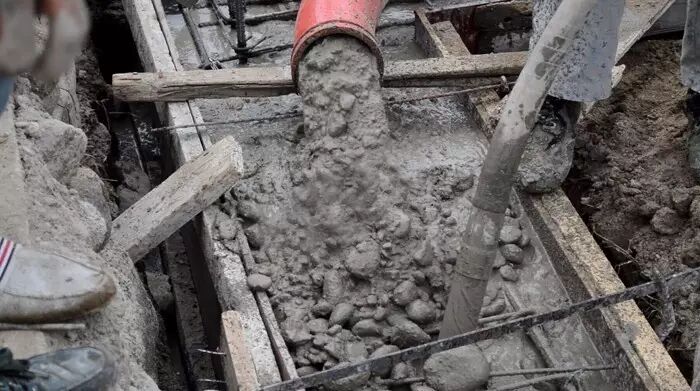
1. Select Proper Aggregates: Due to non-standard aggregates and initial operator unfamiliarity, pipe blockage is
relatively easy to occur. Standard pumpable gravel is 1-3cm, and medium-sized sand is preferable. When pumping
upwards, minimize pipe bends to reduce pumping pressure; when pumping downwards, avoid vertical downward
movements to prevent moisture loss and increase the likelihood of blockage. Operators should carefully observe
the mixer's output and adjust accordingly to prevent overly dry concrete.
2. Reverse Pumping Method: If blockage occurs during concrete mixing and conveying pump operation, reverse
the pump three to four times. This usually clears the blockage automatically. If not, dismantle the pipe to clear
the blockage. First, locate the blockage and dismantle the pipe. It is important to note that before dismantling
the pipe, reverse the pump several times to prevent pressure inside the pipe from splashing during dismantling
and causing personal injury.
3. Tapping test method: If the fine stone pump encounters a blockage during operation, while running it in both
forward and reverse directions, you can take a small hammer and tap each section of the pipe. Listen to the
sound while tapping. If the sound is very deep, you can determine the location of the blockage. Generally, the
most likely places to get blocked are at bends and the ends of the pipe, while the chance of blockage at straight
pipes is almost very small.