




News
Common Problems and Maintenance Solutions of Concrete Pump Trucks
Jul. 27, 2026
1. High Hydraulic Oil Temperature in Concrete Pump Truck Pumping System
High hydraulic oil temperature is one of the most common problems affecting concrete pump truck performance. Excessive oil temperature is usually caused by improper adjustment, insufficient maintenance, incorrect operation, or design and manufacturing issues.
The main causes include:
1. Severe Internal Leakage in Hydraulic System
When hydraulic components such as pumps, valves, or cylinders experience excessive internal leakage, energy loss increases and generates additional heat, causing hydraulic oil temperature to rise.
2. Relief Valve Failure or Incorrect Pressure Adjustment
If the relief valve cannot unload properly or the pressure setting is too high, the hydraulic system will operate under excessive pressure, resulting in increased heat generation.
3. Poor Heat Dissipation of Hydraulic Oil Cooler
Dust accumulation or dirt on the cooler fins can reduce heat dissipation efficiency and cause hydraulic oil overheating.
4. Hydraulic Cooler Fan Failure
If the cooling fan stops working, the hydraulic oil cooler cannot effectively reduce oil temperature.
5. Hydraulic Oil Cooler Blockage
A blocked cooler will restrict oil circulation and reduce cooling performance.
6. Low-Pressure Relief Valve Failure
A damaged or improperly adjusted low-pressure relief valve may also cause abnormal hydraulic system temperature.
7. Boom Hydraulic System Cannot Unload Properly
If the boom hydraulic system remains under pressure after operation, continuous energy loss will increase oil temperature.
8. Insufficient Hydraulic Oil
A low hydraulic oil level reduces heat absorption capacity and may accelerate temperature increase.
Under normal operating conditions, the hydraulic oil temperature of a concrete pump truck should generally remain within approximately 30°C–80°C. When the temperature rises rapidly or exceeds the normal range, operators should inspect the hydraulic system and identify the cause promptly.
2. Common Problems and Solutions of Concrete Pump Truck Mixing System
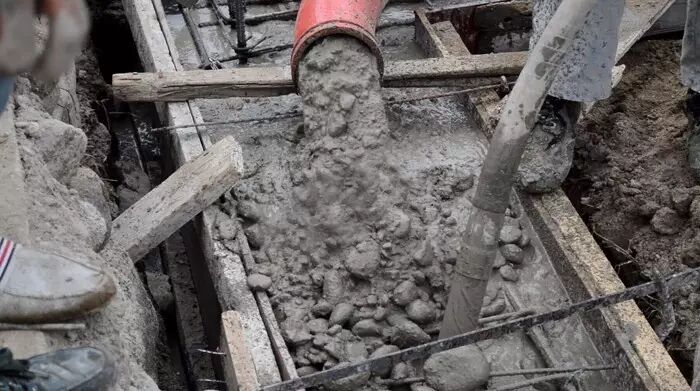
The mixing system plays an important role in ensuring smooth concrete feeding and preventing material separation.
2.1 Concrete Slurry Leakage Around Mixing Shaft
Concrete pump trucks are usually equipped with lubrication systems to prevent cement slurry leakage around the mixing shaft.
During operation, the distribution valve movement drives the lubrication system, delivering grease through the grease distributor to the mixing shaft bearings. This provides effective lubrication and sealing.
If slurry leakage occurs around the mixing shaft, the following components should be checked:
Whether the grease filter is blocked
Whether grease exists in the lubrication pipe joints
Whether the automatic lubrication system works properly
Whether the grease distributor is functioning correctly
If leakage is caused by long-term wear, damaged components should be replaced and proper maintenance should be carried out.
2.2 Mixing Shaft Does Not Rotate or Rotates Slowly
The mixing shaft is driven by a hydraulic motor to continuously mix concrete inside the hopper and ensure smooth feeding into the concrete cylinders.
When the mixing shaft stops rotating or its speed decreases significantly, check:
Whether the hydraulic mixing motor is operating normally
Whether the hydraulic system pressure is within the correct range
Whether the mixing shaft speed needs adjustment
Timely inspection can prevent further damage to the hydraulic system and mixing components.
3. Concrete Delivery Pipeline Blockage and Troubleshooting
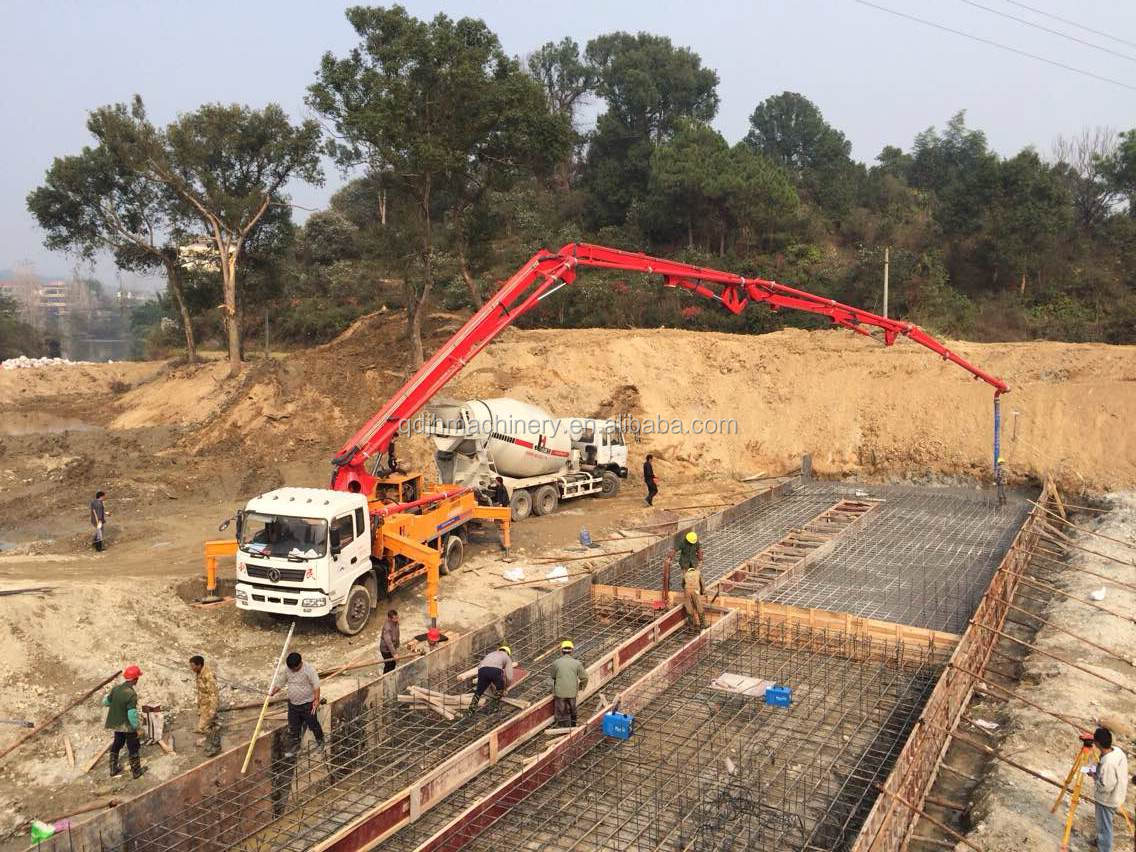
Pipeline blockage is another common failure during concrete pump truck operation. Blockages usually occur at areas with frequent vibration, especially:
Taper pipes
Elbow pipes
Pipeline connection points
How to Identify Pipeline Blockage
Operators can lightly tap the pipeline with a small metal rod:
A clear sound and normal pumping noise usually indicate no blockage.
A dull sound accompanied by abnormal pumping noise usually indicates a blocked section.
Typical blockage symptoms include:
Increasing pumping pressure
Pumping operation stops
Hopper concrete level does not decrease
No concrete discharge from pipeline outlet
Strong vibration of pump truck and pipeline movement
Sometimes reverse pumping can temporarily remove the blockage, but blockage may occur again when switching back to forward pumping.
Solutions for Concrete Pipeline Blockage
For minor blockages:
Identify the blocked area.
Tap the pipeline gently with a wooden hammer.
Use repeated forward and reverse pumping operations.
Return the concrete into the hopper.
Remix the concrete before continuing pumping.
If the blockage cannot be removed, the pipeline must be dismantled:
Remove the blocked pipe section.
Clean out the hardened concrete.
Reinstall the pipeline carefully.
Ensure proper connection to prevent repeated blockage.
4. Proper Maintenance of Concrete Pump Trucks
Regular maintenance is essential for improving equipment reliability, reducing downtime, and extending the service life of concrete pump trucks.
Concrete pump truck maintenance mainly includes:
Daily Maintenance
Daily inspection should include:
Checking hydraulic oil level
Inspecting lubrication points
Cleaning equipment surfaces
Checking pipeline conditions
Inspecting safety components
Regular Inspection
Regular inspections use human observation, measuring tools, and testing equipment to identify potential problems before failures occur.
Scheduled Maintenance
Maintenance should be carried out according to the manufacturer's requirements, including:
Hydraulic system inspection
Lubrication system maintenance
Cooling system cleaning
Replacement of wearing parts
Following a scientific maintenance schedule ensures that the concrete pump truck remains safe, efficient, and reliable.
5. Strengthening Concrete Pump Truck Operation and Maintenance Management
Effective equipment management is an important factor in reducing failures and improving productivity.
Operators should establish strict inspection and lubrication systems, including:
Regular equipment checks
Hydraulic system inspections
Lubrication according to specifications
Cleaning and maintenance procedures
A professional inspection method should include:
Look: Check for abnormal wear, leakage, and damage.
Listen: Identify unusual noises during operation.
Touch: Detect abnormal temperature or vibration.
Smell: Identify possible electrical or mechanical problems.
In addition, improving operator training is essential. Professional training helps operators:
Understand equipment structure
Operate machines correctly
Detect early warning signs
Reduce operation errors
Improve workplace safety