





News
Concrete Pump Truck Operation: Key Steps from Dispatch to Construction
Aug. 28, 2026
Concrete Pump Truck Operation: Key Steps from Dispatch to Construction
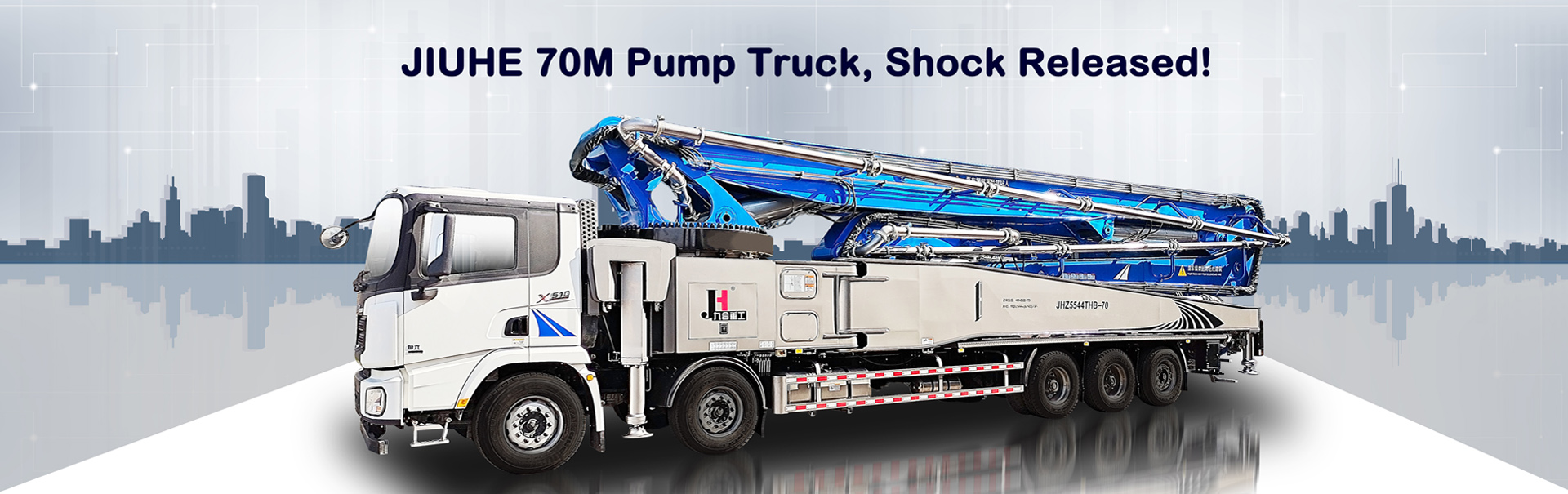
Concrete pump trucks are highly efficient machines for concrete transportation and placement. However, safe and efficient pumping depends on proper preparation, transportation, setup, pumping operation, cleaning, and maintenance.
This guide explains the complete concrete pump truck operation process, from receiving a pumping task to returning the machine after construction, along with important safety precautions during concrete pumping.
Part 1: Complete Concrete Pump Truck Operation Process
1. Confirm the Pumping Task and Construction Site
After receiving a concrete pumping assignment, the person responsible for the concrete pump truck should coordinate with the sales, transportation, and production management teams to inspect and evaluate the construction site.
Important information should be confirmed in advance, including:
The transportation route
The concrete pump truck parking position
The job site contact person
The list of personnel responsible for coordination
Whether the site meets the requirements for concrete pumping operations
Proper site planning before dispatch can help avoid transportation problems, poor machine positioning, and unnecessary delays.
2. Inspect the Concrete Pump Truck Before Departure
Before leaving for the construction site, carefully inspect the concrete pump truck to ensure that all systems are in normal working condition.
Pay particular attention to:
Pumping system condition
Hydraulic system
Delivery pipelines
Pipe clamps and couplings
Outriggers
Boom system
Safety devices
Necessary tools and accessories
Any damaged or abnormal components should be repaired or replaced before the truck is dispatched.
3. Prepare Enough Fuel and Water
Before departure, make sure the fuel tank contains sufficient fuel for transportation and pumping operations.
The truck should also carry enough clean water for:
Pipeline lubrication
Pump system cleaning
Concrete pump cleaning
Emergency use during operation
Proper preparation can reduce unnecessary downtime at the construction site.
4. Follow the Planned Route and Drive Safely
The concrete pump truck should travel according to the planned transportation route and strictly comply with local traffic regulations.
Because concrete pump trucks are large and heavy vehicles, drivers should pay close attention to road conditions, bridges, narrow roads, overhead obstacles, and other potential hazards.
When necessary, additional personnel should assist the driver by guiding the vehicle, especially when entering narrow construction sites or reversing.
5. Position the Pump Truck Correctly
After arriving at the designated construction site, the concrete pump truck should be parked in the predetermined location.
Before starting operations, make sure the truck is completely stationary and the ground conditions are suitable.
The parking position should provide:
Stable and solid ground
Sufficient space for outriggers
Safe boom operating space
Adequate clearance from obstacles
Safe distance from excavations and slopes
Safe clearance from overhead power lines
6. Deploy the Outriggers Securely
The outriggers are critical for maintaining the stability of the concrete pump truck.
They should be deployed according to the manufacturer's operating requirements. Appropriate outrigger pads, wooden supports, or steel plates should be placed under the outriggers when necessary.
The truck must remain level and stable before the boom is unfolded.
Never begin concrete pumping if the pump truck is not properly supported and stabilized.
7. Unfold the Concrete Placing Boom
When unfolding the boom, extend the boom sections gradually and smoothly.
After the boom is fully deployed, lower the boom tip to a suitable and safe position before opening and positioning the end hose.
Avoid sudden boom movements and make sure there are no workers or obstacles within the boom operating area.
8. Position the End Hose
According to the instructions of the construction site supervisor or designated signal person, carefully move the boom and extend the end hose to the required concrete placement location.
During this process, maintain clear communication between the pump truck operator and the construction workers.
The boom should be moved smoothly to avoid excessive swinging of the end hose.
9. Lubricate the Delivery Pipeline Before Pumping
Before pumping concrete, the delivery pipeline should be properly lubricated.
Water can first be used to clean and wet the pipeline. Then, according to the pumping requirements and approved operating procedures, an appropriate cement slurry or cement mortar mixture may be used to form a lubricating layer inside the pipeline.
Once the pipeline is properly prepared, concrete pumping can begin.
10. Start Pumping at a Low Speed
When concrete pumping begins, the pump should operate at a relatively low speed.
After confirming that the concrete is moving smoothly and reaches the end of the delivery pipeline, the pumping speed can gradually be increased to the normal operating speed.
Starting slowly helps reduce the risk of excessive pressure, pipe blockage, and unstable concrete flow.
11. Maintain Continuous Concrete Pumping
Concrete pumping should be as continuous as possible.
Frequent interruptions can increase the risk of concrete settlement and pipeline blockage.
If the concrete supply is insufficient, reduce the pumping speed accordingly.
When temporary interruptions occur, operate the pump according to the applicable operating procedure to keep the concrete moving and reduce the possibility of blockage.
If pumping is stopped for an extended period, the remaining concrete inside the pipeline should be handled before it begins to harden.
12. Monitor the Concrete Quality
During pumping operations, a designated worker should monitor the concrete entering the pump hopper.
The concrete should meet the requirements for pumping, including suitable:
Workability
Slump
Aggregate size
Uniformity
Large stones, foreign objects, or unsuitable concrete should be removed or rejected to prevent pipe blockage and equipment damage.
13. Complete Pumping and Clean the Equipment
After the concrete pumping operation is completed, the concrete pump, placing boom, and delivery pipeline should be cleaned promptly.
Pipeline cleaning may be performed using approved methods such as water cleaning or compressed-air cleaning, depending on the equipment and operating procedure.
When using compressed air, pressure should be increased gradually and the pipeline discharge area must be kept clear of personnel.
During cleaning, the operator should monitor the pipeline carefully and confirm that the remaining concrete has been discharged safely.
Compressed air should not be used to clean the placing boom unless the manufacturer specifically permits this procedure.
14. Return the Concrete Pump Truck
After cleaning the pump system, delivery pipeline, and the relevant parts of the truck, inspect the equipment again before leaving the construction site.
Make sure that:
The placing boom is completely folded and secured.
The outriggers have been fully retracted.
All pipelines and accessories are properly stored.
The truck is safe for transportation.
The concrete pump truck can then return safely to its designated parking or maintenance location.
15. Complete the Operation Records
Accurate records should be maintained throughout the concrete pumping process.
These records may include:
Pumping operation records
Machine operation records
Pumping pressure records
Pipe blockage and troubleshooting records
Concrete pumping volume records
Cleaning records
Maintenance and repair records
Concrete slump records
These records can help improve equipment management, identify recurring problems, and support preventive maintenance.
Part 2: Important Concrete Pumping Safety Precautions
1. Follow Traffic Regulations
Concrete pump trucks are large and heavy vehicles. Drivers should strictly follow traffic regulations and drive according to road conditions.
Extra caution should be taken when traveling through narrow roads, construction areas, bridges, or locations with height restrictions.
2. Use Proper Outrigger Support Pads
When setting up the concrete pump truck, place appropriate support pads, wooden blocks, or steel plates under the outriggers when required.
This helps distribute the load and prevents the outriggers from sinking into soft ground.
3. Maintain a Safe Distance from Excavations
The concrete pump truck should not be positioned too close to excavations, trenches, slopes, or unsupported ground.
The required safety distance should be determined according to the depth and condition of the excavation, local regulations, and site engineering requirements.
Unstable ground can collapse under the heavy load of the pump truck and outriggers, resulting in serious rollover accidents.
4. Keep a Safe Distance from Overhead Power Lines
Before unfolding or moving the placing boom, inspect the work area for overhead power lines.
Maintain the required safety clearance according to local electrical safety regulations and site requirements.
Never rely solely on visual judgment when operating close to electrical hazards.
5. Never Use the Placing Boom for Lifting
The concrete placing boom is designed for concrete delivery only.
It must never be used as a crane or lifting device unless the equipment has been specifically designed and approved for that purpose.
Using the boom for lifting can cause equipment damage, instability, or serious accidents.
6. Keep the End Hose Away from Fresh Concrete
During concrete placement, maintain an appropriate distance between the end hose outlet and the concrete surface.
Do not allow the end hose to become buried in fresh concrete.
If the hose outlet becomes blocked or buried, pressure inside the pipeline can increase suddenly, creating a risk of hose movement, pipe failure, or injury.
7. Avoid Unnecessary High-Pressure Operation
The concrete pump truck should not operate under unnecessarily high pressure for extended periods.
If the pump has been stopped and needs to restart, carefully monitor the pumping pressure and concrete flow.
Abnormal pressure may indicate a developing blockage or other problem.
8. Release Pipeline Pressure Before Removing Pipe Connections
Before removing a pipe clamp or pipeline connection, make sure the pressure inside the pipeline has been safely released.
Residual pressure can cause concrete or pipeline components to discharge suddenly, resulting in serious injuries.
Never disconnect a pressurized concrete delivery pipeline.
9. Keep Personnel Away During Pipeline Cleaning
During pipeline cleaning, the pipeline outlet should face a safe direction away from workers and pedestrians.
A suitable safety barrier or controlled area should be established where necessary.
Nobody should stand in front of the pipeline outlet during cleaning.
10. Follow the Correct Pipeline Cleaning Procedure
Pipeline cleaning may use water or compressed air, depending on the approved procedure and equipment.
The cleaning method should be performed according to the manufacturer's instructions and site safety requirements.
When using compressed air, control the pressure carefully and release pressure gradually at the end of the cleaning process to reduce the risk of sudden discharge.
11. Never Use Compressed Air to Clean the Placing Boom Unless Approved
Compressed-air cleaning can create dangerous pressure and unexpected movement.
Unless the concrete pump truck manufacturer specifically provides an approved procedure, compressed air should not be used to clean the placing boom.
12. Check Concrete Quality Before Pumping
A designated worker should monitor the concrete entering the hopper.
Concrete that does not meet pumping requirements should not be accepted.
Pay attention to:
Workability
Slump
Aggregate size
Large stones
Foreign objects
Signs of segregation
Removing unsuitable material before it enters the pumping system can significantly reduce the risk of blockage and equipment damage.
13. Keep Boom Movements Smooth During Concrete Placement
The placing boom should be operated smoothly and steadily.
Avoid sudden acceleration, excessive swinging, or rapid directional changes.
Large boom movements can endanger workers and may also damage nearby structures or equipment.
14. Use the Concrete Pump Truck Only for Its Intended Purpose
A concrete pump truck is designed specifically for concrete pumping and placement.
Do not use the equipment for unrelated operations or purposes that are not approved by the manufacturer.
Following the correct operating procedures helps protect both workers and equipment.
Conclusion
Safe concrete pump truck operation requires careful planning from the moment a pumping task is received until the equipment returns after the job is completed.
The most important steps include:
Inspecting the construction site in advance
Checking the concrete pump truck before departure
Selecting a safe transportation route
Positioning the truck on stable ground
Deploying outriggers correctly
Operating the placing boom safely
Maintaining continuous and controlled concrete pumping
Monitoring concrete quality
Cleaning the pipeline safely
Keeping complete operation and maintenance records
By following proper concrete pump truck operating procedures and safety requirements, operators can reduce the risk of pipe blockage, equipment damage, rollover accidents, and workplace injuries.
Safe preparation, proper operation, and regular inspection are the foundation of efficient and reliable concrete pumping.
SEO Keywords
Concrete Pump Truck Operation, Concrete Pump Truck Safety, Concrete Pumping Procedure, Concrete Pump Truck Working Process, Concrete Pump Truck Operation Guide, Concrete Pumping Safety, Concrete Placing Boom Safety, Concrete Pump Pipeline Cleaning, Concrete Pump Truck Maintenance, Construction Equipment Safety
Previous: None
Next: Five Major Factors That Can Cause Concrete Pump Truck Accidents