





News
Concrete Pump Truck Emergency Troubleshooting and On-Site Solutions
Aug. 14, 2026
Concrete Pump Truck Emergency Troubleshooting and On-Site Solutions
A concrete pump truck is one of the most important machines in modern construction projects. Unlike ordinary construction equipment, a concrete pump truck has a unique challenge: it transports concrete, which can quickly harden and become extremely difficult to remove once it sets.
When a concrete pump truck breaks down during concrete pouring, delayed treatment may cause concrete blockage inside the delivery cylinder, S-valve, or pipeline, resulting in expensive repairs and construction delays.
Therefore, pump truck operators should understand basic emergency troubleshooting methods to minimize losses before professional service engineers arrive.
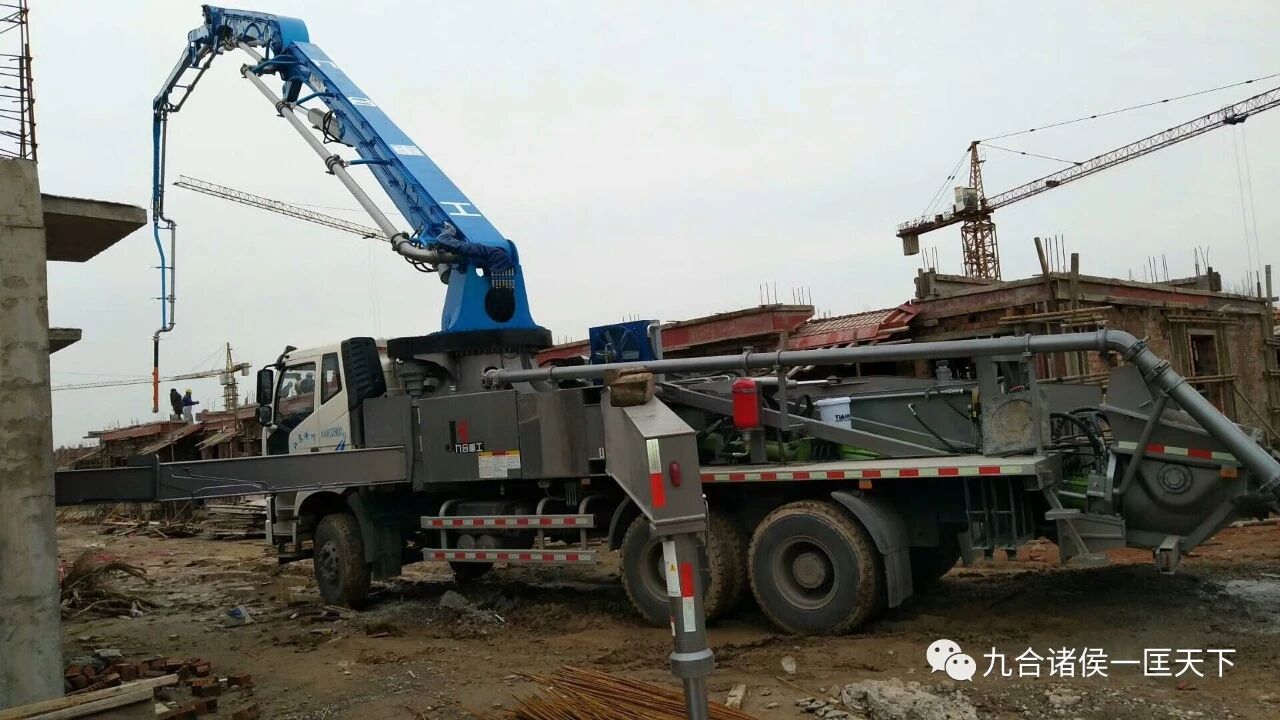
What to Do When a Concrete Pump Truck Fails on Site?
When a pump truck failure occurs:
Stop supplying concrete immediately and inform the concrete supplier.
Report the problem to the construction equipment manager.
Prepare tools, water supply, and rescue equipment.
Remove the remaining concrete from the hopper, pumping cylinder, S-valve, and delivery pipeline as soon as possible.
Avoid waiting or assuming the problem will solve itself, because hardened concrete can cause serious equipment damage.
1. Engine Suddenly Stops During Pumping
Possible Causes
Common causes include:
Insufficient fuel
Blocked fuel filter
Engine system failure
If the problem cannot be repaired within a short time, another concrete pump truck should be arranged for emergency rescue.
Emergency Solutions
Before the rescue pump truck arrives:
Open the accumulator pressure relief valve to release hydraulic pressure.
Open the discharge valve under the hopper.
Open the S-valve outlet pipe and remove concrete.
Flush the visible pumping cylinder and S-valve with water.
If concrete remains inside another cylinder:
Release the S-valve adjustment nut.
Disconnect the high-pressure pipes on the swing cylinders.
Move the S-valve manually with a steel bar or tool.
Expose the blocked cylinder and clean it completely with high-pressure water.
Rescue Pump Truck Connection Method
When a rescue pump truck arrives:
Disconnect the reducer pipe and horizontal delivery pipe of the failed pump truck.
Insert a wet sponge ball into the pipeline.
Connect the rescue pump truck pipeline with the failed pump truck pipeline.
Fill the rescue pump hopper with water.
Use the rescue pump truck to push out the remaining concrete inside the blocked pipeline.
Before connection, make sure the rescue pump pipeline is free of concrete to avoid secondary blockage.
2. Remote Control Failure
Remote control failure is one of the most common electrical problems during concrete pumping.
Possible Causes
Remote control battery is empty
"Remote/Manual" switch is incorrectly set
Emergency stop button is activated
Wireless signal interference
Solutions
First check:
Remote battery condition
Control panel settings
Emergency stop switch status
If wireless interference occurs:
Turn the transmitter power off and restart it.
Switch between driving mode and pumping mode to allow the system to select another frequency.
Repeat the process if necessary.
If the wireless remote still does not work:
Switch the pump truck to manual control mode.
Use the manual reverse pumping function to remove concrete.
Or connect a wired remote controller for operation.
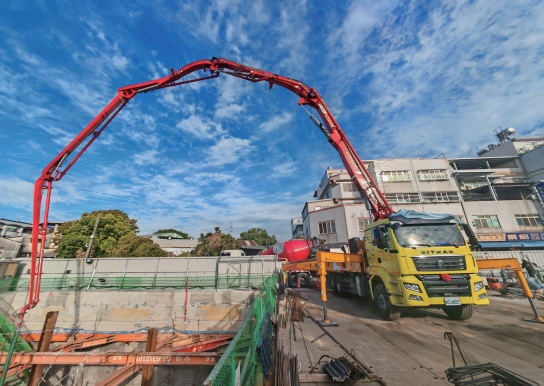
3. Complete Electrical System Failure
When both wireless and wired remote controls fail, manual operation is required.
Emergency Operation Steps
Open the discharge valve under the hopper and remove concrete.
Place a water-soaked sponge ball into the end hose.
Manually operate the hydraulic control valve.
Move the boom upward at approximately a 30° angle.
Activate the reverse pumping function manually.
Alternate the main cylinder reversing controls until all concrete is discharged from the pipeline.
This method helps prevent concrete from hardening inside the pumping system.
Key Tips for Concrete Pump Truck Emergency Handling
To reduce damage and downtime:
Act quickly when a failure occurs.
Never allow concrete to remain inside the pipeline for a long time.
Clean the pumping system immediately after shutdown.
Keep emergency tools and water supply available on site.
Train operators in basic troubleshooting procedures.
Conclusion
Concrete pump truck failures during construction are unavoidable, but proper emergency handling can significantly reduce losses.
By quickly removing concrete from the hopper, S-valve, pumping cylinders, and delivery pipeline, operators can prevent concrete hardening and protect the equipment.
Professional operation, regular maintenance, and correct emergency procedures are essential for ensuring reliable concrete pumping performance.