





News
How to use the DHBT60 diesel trailer concrete pump with care
Dec. 11, 2025
Why Proper Operation Matters
You need to use the DHBT60 diesel trailer concrete pump the right way to keep your team safe and your job running well. Pumping concrete with high pressure can be risky if you do not follow safety steps. Pipes can break and concrete can splash, which can cause accidents and slow your work. If you do not follow safety rules, people can get hurt and you can lose money.
Note: Always check the controls and safety parts before you start. Using the pump the right way helps you avoid problems and finish your job on time.
When you use the DHBT60 diesel trailer concrete pump with care, you get good results and keep everyone safe.
Diesel Trailer Concrete Pump Safety
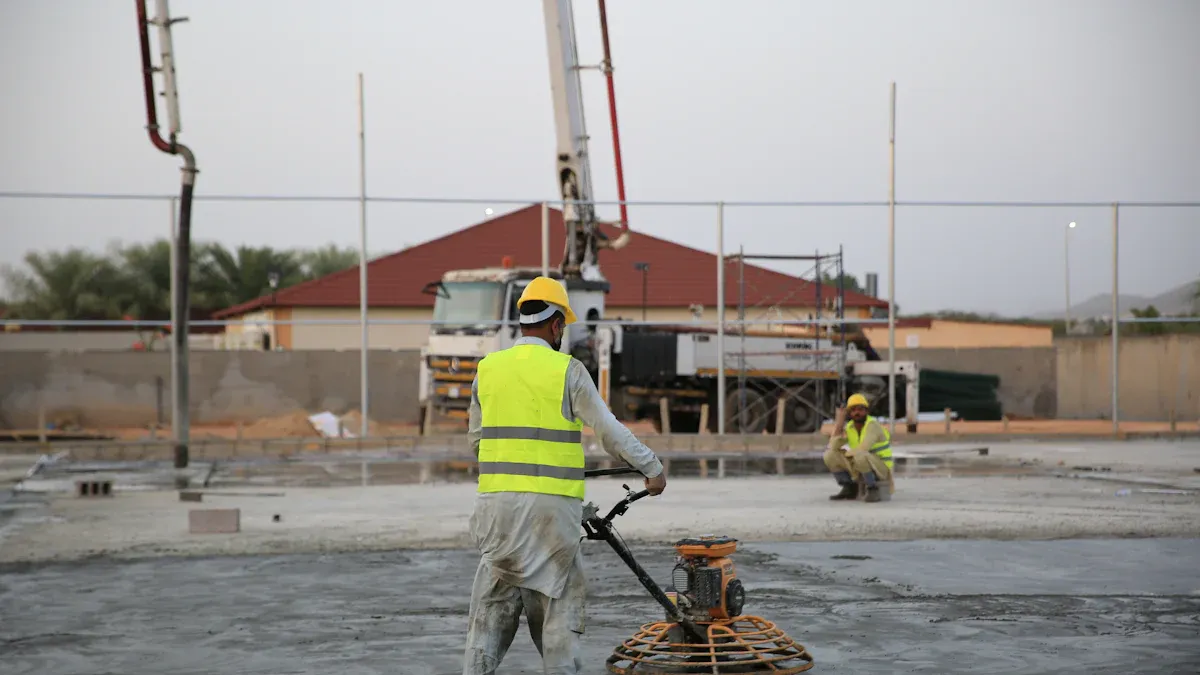
Safety is very important when you use a diesel trailer concrete pump. You keep your team and equipment safe by following smart steps before, during, and after each job. The DHBT60 model has easy controls and safety features, but you still need to check everything yourself.
Pre-Operation Checks
Equipment Inspection
You begin each day by checking your diesel trailer concrete pump. Look for damage or wear on the boom and moving parts. Make sure pipes, clamps, gaskets, and hoses are all there and in good shape. Check the tires, tire pressure, and brakes if you will tow the pump. Use safety chains and cross them for extra safety. Look at the site layout and clear the area for safe concrete delivery.
Put the pump on flat ground away from danger.
Check the ground to make sure it can hold the pump.
Look at the boom for loose or broken parts.
Tighten all hydraulic connections and check for leaks.
Make sure the boom can move without hitting anything.
Fuel and Fluids
You keep your diesel trailer concrete pump working well by checking fuel and fluids. Fill the diesel tank before you start. Check oil, coolant, and hydraulic fluid levels. Look for leaks under the pump. Add more fluids if any are low. Clean the filters if needed.
Hoses and Connections
You check all hoses and connections before you start. Tighten any loose fittings. Change hoses that are worn or cracked. Make sure hydraulic hose joints are tight to stop leaks. Test the connections by running water through the pump before using concrete.
Safe Setup
Stable Positioning
You pick a steady spot for your diesel trailer concrete pump. Flat ground keeps the pump steady. Stay away from soft dirt or slopes. Check for rocks or holes in the ground. Make sure the pump will not tip over while working.
Securing Trailer
You lock the trailer before you start pumping. Use wheel chocks and lock the wheels. Attach safety chains if you move the pump. Double-check the hitch and connections. Make sure the trailer cannot roll or move.
Outriggers
You open and lock the outriggers to keep the pump steady. Check the ground before lifting. Make sure each outrigger sits on solid ground. If you use remote control, test the outriggers to see if they work right. The DHBT60’s remote helps you set up safely, even in hard places.
Many accidents happen when operators forget to fill extra diesel in the outrigger or do not leave enough space for setup. You stop tipping by checking outriggers and giving enough room.
Operational Safety
PPE
You wear personal protective equipment (PPE) every time you use the diesel trailer concrete pump. PPE keeps you safe from loud noise, cement, and flying bits. Make sure your team wears ear protection, gloves, safety glasses, and strong boots.
| PPE Type | Description |
|---|---|
| Hearing Protection | Wear when noise is loud |
| Safety Measures | Protects from cement and flying objects |
Start-Up/Shutdown
You follow safe steps when starting and stopping the pump. Check the controls and safety features before you begin. Talk with your team about how to start up. Do not hurry. When shutting down, run water through the pump to clean out concrete. Turn off the engine and lock the controls.
Not paying attention during setup can cause tipping accidents. Always check outriggers and leave enough space for safe work.
New technology, like pressure sensors for outriggers, can help stop accidents. The DHBT60’s remote control warns you about problems, making your job safer.
Emergency Steps
You get ready for emergencies before you start. Know where the emergency stop button is. Teach your team to act fast if something goes wrong. Keep people away from dangerous areas. Set up clear ways to talk if you cannot see the placement point.
Stand back during air release to avoid hose whipping.
Check the pump often to stop electrical problems.
| Feature | Safety Benefit |
|---|---|
| Remote-controlled operation | Safer concrete placement in risky or hard-to-reach spots |
| No manual handling | Lowers injury risk and makes the job site safer |
Tip: Always tell your team their roles and safety rules before you start work.
You keep your diesel trailer concrete pump safe and working well by following these steps every day. The DHBT60’s safety features help you work better, but your care and attention matter most.
Effective Operation Tips
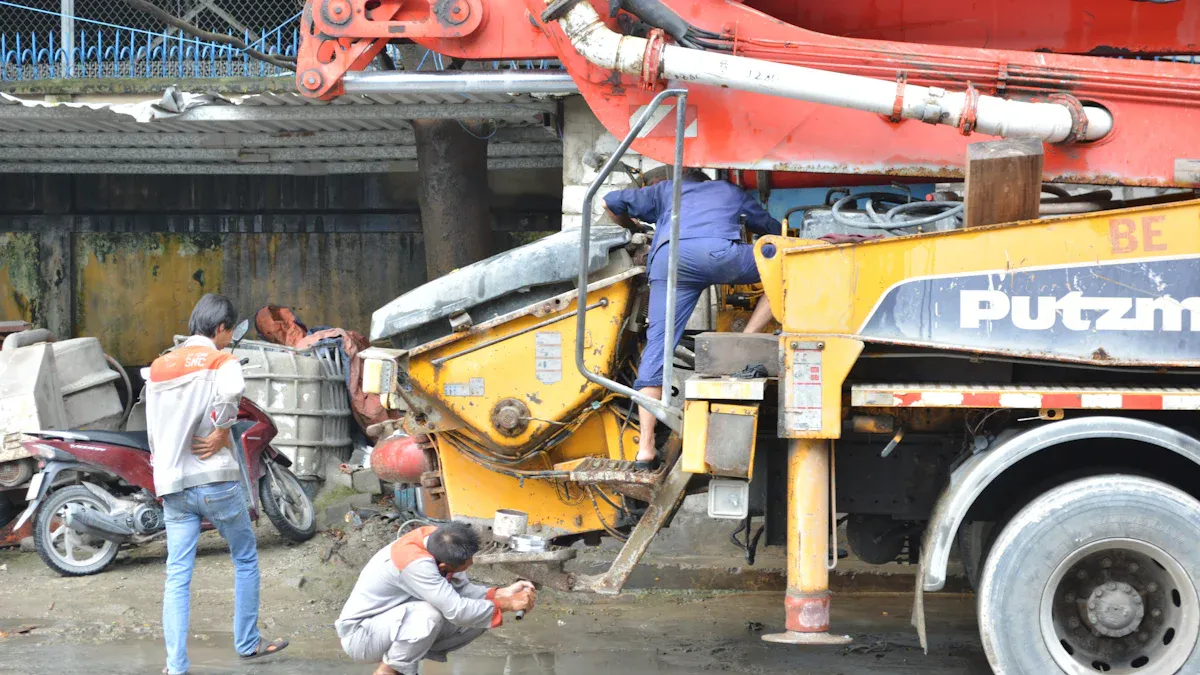
Diesel Trailer Concrete Pump Maintenance
You keep your diesel trailer concrete pump working well by doing regular maintenance. Qingdao Jiuhe Heavy Industry Machinery Co., Ltd gives some important steps:
Look at hydraulic parts every day. Fix problems before you start.
Check the lubrication pump. Make sure it has enough grease and no leaks.
Add grease to moving parts. Stop the pump if oil is low.
Adjust or change the S-tube, eye plate, and wear ring when gaps are big.
Change piston rings during maintenance. This helps the engine last longer.
You should watch for common maintenance problems. The table below shows problems and how to fix them:
| Maintenance Issue | Solution |
|---|---|
| Hydraulic system failures | Check fluid levels every day and look at the system often. |
| Concrete buildup | Clean the hopper and pipes after each job to stop buildup. |
| Power system maintenance complications | Make a schedule for power system checks and inspections. |
| Seasonal maintenance | Use antifreeze in winter and help cooling in summer. |
| Annual maintenance | Change the timing belt after 2000 hours and check hydraulic parts for good work. |
Tip: Tighten bolts in a crisscross way. Add antifreeze when it is cold. Watch hydraulic oil temperature and levels. Clean concrete left after every job.
Troubleshooting
Blockages
Blockages can happen while pumping. You can fix them by doing these things:
Clean the hose after each pour. This stops hard concrete inside.
Watch the pressure. Stay under the hose’s rated pressure.
If there is a blockage, stop the pump and use REVERSE for 2-3 strokes. This lowers pressure and may clear the blockage.
Tap the pipe with a hammer. Listen for sound changes to find the blockage.
Open the coupling at the blockage. Clean out the concrete, add grease, and close it again.
Pressure Issues
Pressure problems can slow your work. You fix them by checking these things:
Look at hydraulic oil. Make sure the level is right and oil is clean.
Check the main hydraulic pump. Change it if it is worn out.
Test the relief valve. Adjust it if needed.
Look at cylinder seals. Change them if they leak.
Remove air from the hydraulic system. Air bubbles can make the pump work badly.
Clean or change dirty hydraulic filters.
Fix any leaking hoses, fittings, or seals.
Change worn cylinders or motors.
You can do these steps:
Check hydraulic oil level and how it looks. Change oil if it is dirty.
Test and adjust relief valve settings.
Look at delivery cylinder seals for leaks.
Engine Problems
Engine problems can stop your pump. You keep the engine working by:
Changing piston rings during maintenance.
Checking fuel and air filters often.
Making sure the engine has enough oil and coolant.
Listening for strange sounds or shaking.
Following the maker’s maintenance plan.
Efficiency
Pumping Speed
You can make pumping faster without hurting safety or equipment. Try these ideas:
Pick the right pumping equipment for your job.
Use a concrete mix that fits the pump’s needs.
Adjust water and admixtures to keep the mix moving.
Plan the job site so you do not move the boom too much.
Teach operators how to start and stop the pump. Tell them to speed up slowly and listen for odd sounds.
Crew Coordination
Good teamwork makes pumping safer and quicker. You need skilled riggers and signalmen. They help everyone work together and connect different trades. Signalmen use clear rules so everyone knows what to do. Pre-lift meetings help the team learn the plan. Skilled riggers pick the right gear, which keeps the job moving and stops delays.
Note: Good crew teamwork saves time and resources. It helps you finish jobs on time.
Downtime Reduction
You lower downtime by focusing on maintenance and training. Clean, grease, and check your pump often. Use smart technology to find problems early. Train your workers well. Make your supply chain better so you always have needed parts. Protect nature by using best practices.
You can do these steps:
Make a regular maintenance plan.
Use technology to find and stop failures early.
Teach your team all the steps.
Make sure parts and supplies come on time.
Follow rules to protect the environment.
Tip: Regular maintenance and good training keep your diesel trailer concrete pump ready for every job.
Long-Term Reliability
Record Keeping
You help your DHBT60 diesel trailer concrete pump last longer by keeping good records. Write down every time you check, fix, or change a part. Use a notebook or a phone app to do this. When you track oil changes and filter swaps, you can find problems early. This habit lets you plan repairs and stops sudden breakdowns. Good records also show your team you care for the machine. If you want to sell or upgrade your pump, a full service history makes it worth more.
Tip: Look at your maintenance log before each big job. This helps you find missed work and keeps your pump working well.