



News
Why Is the Concrete Pump Truck Struggling to Pump Concrete? Causes and Solutions
Aug. 10, 2026
There are several common reasons why a concrete pump truck may struggle during operation. The following factors should be checked and addressed.
1. Aging Concrete Pump Truck Components
As a concrete pump truck is used over time, some key components may wear out and reduce pumping performance.
Common issues include:
Excessive wear of the S-valve, causing insufficient outlet pressure
Low accumulator pressure, affecting the smooth operation of the hydraulic system
Reduced engine power, resulting in insufficient driving force for the concrete pump system
Regular inspection and maintenance of the pumping system can help prevent these problems and maintain stable performance.
2. Incomplete Cleaning of the Concrete Pipeline
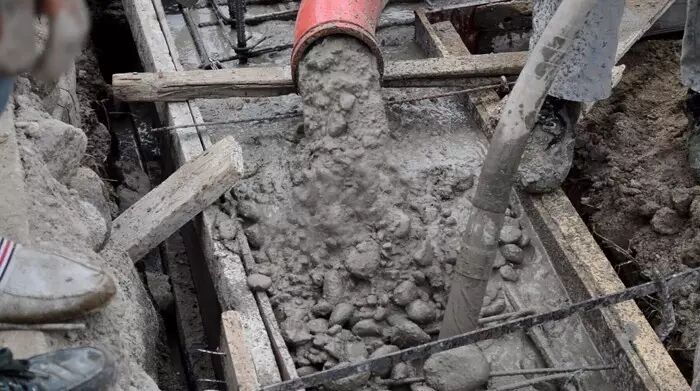
A blocked or poorly cleaned delivery pipeline is one of the common causes of difficult concrete pumping.
If hardened concrete remains inside the pipeline, it will increase the resistance during pumping and require higher pressure from the pump truck. In severe cases, it may cause pipeline blockage.
After each construction operation, the concrete delivery pipes should be thoroughly cleaned to ensure smooth pumping during the next use.
3. Lack of Pipeline Lubrication Before Starting Pumping
When starting a new concrete pumping operation, the pipeline should be properly lubricated with water or cement mortar.
If the pipeline is used directly without lubrication, the friction between concrete and the pipe wall will increase, making the concrete pump truck work harder and reducing pumping efficiency.
Proper pipeline lubrication helps reduce resistance and improves concrete flowability.
4. Excessive Pipeline Length or Too Many Bends
The layout of the concrete delivery pipeline has a significant impact on pumping pressure.
Problems may occur when:
The pipeline is too long
Too many elbow pipes are installed
The pumping height is too high, especially for trailer concrete pumps
Long-distance pumping and excessive bends increase concrete flow resistance, requiring higher pressure from the pump system.
Optimizing pipeline arrangement can effectively reduce pumping difficulty.
5. Concrete Mix Quality Problems
The properties of concrete itself directly affect pumping performance.
Factors that may increase pumping resistance include:
Poor concrete mix design
Improper aggregate gradation
Excessive angular or elongated aggregate particles
High sand fineness modulus
Excessive use of artificial aggregates
Generally, artificial aggregates create greater pumping resistance than natural aggregates. A reasonable aggregate shape and gradation are important for improving concrete pumpability.
6. Influence of Concrete Admixtures
Concrete admixtures play an important role in improving pumping performance.
To improve the pumpability of concrete, plasticizers or water-reducing agents are usually added. These admixtures help:
Increase concrete slump
Improve workability
Prevent segregation
Control bleeding of the concrete mixture
Proper use of admixtures ensures smoother pumping and reduces the workload of the concrete pump truck.
7. Incorrect Concrete Mix Ratio and Poor Mixing
An unsuitable concrete mix ratio can also cause pumping difficulties.
Possible causes include:
Incorrect proportion of cement, sand, aggregate, and water
Insufficient mixing time
Excessive slump loss during transportation or waiting time
When concrete loses fluidity, the pumping resistance increases significantly, making the pump truck operate under higher pressure.
How to Solve Concrete Pumping Difficulty Problems?
When a concrete pump truck is struggling to pump concrete, operators should check the equipment, pipeline system, and concrete material conditions step by step:
Inspect the pump system, S-valve, accumulator, hydraulic system, and engine power.
Check whether the delivery pipeline is blocked or contains hardened concrete.
Ensure the pipeline is properly lubricated before pumping.
Optimize pipeline length and reduce unnecessary bends.
Check concrete mix design, aggregate quality, and slump condition.
Adjust admixture usage to improve concrete pumpability.
Conclusion
Concrete pumping difficulty is usually caused by a combination of equipment condition, pipeline resistance, and concrete quality. Through regular maintenance, correct operation methods, and proper concrete mix control, the performance of a concrete pump truck can be greatly improved.
For construction companies and concrete pump truck operators, identifying the root cause quickly can reduce downtime, extend equipment life, and improve overall construction efficiency.